
TheRoundup is reader-supported. We may earn a commission when you make a purchase via links on this site, at no cost to you.
All products are reviewed in accordance with our Review Methodology.

The best recycled clothing brands of 2026 help reduce textile waste by making incredible new garments from previously used textiles.
They take discarded fabrics like cotton, wool, or denim, or post-consumer waste materials such as nylon fishing nets or plastic bottles, and spin them into the coolest and trendiest styles around.
Some brands even offer a recycling program where you can resell your old or unloved items.
Supporting the sustainable fashion industry is vital because fast fashion is a huge global issue. The fashion industry produces 80-100 billion new garments globally every year. But 87% of those materials end up in incinerators or landfills, and only 1% are currently recycled.
That's why I'm sharing this list of stylish and sustainable clothing brands that use recycled materials.
Every brand on the list offers trendy, long-lasting styles for women, men, and kids - all at affordable prices.
✔ Amazing Styles
✔ Carbon Neutral
✔ Responsible Factories
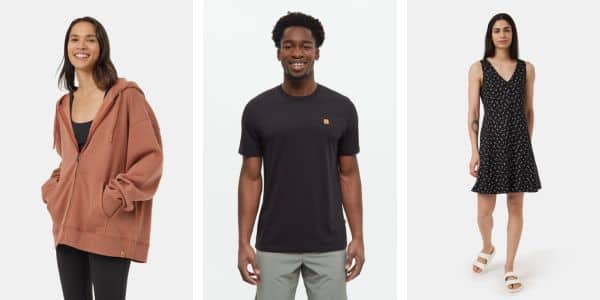
Why We Love It: Tentree has become one of the best-known sustainable fashion brands in North America. The company plants ten trees for every product sold and publishes transparent impact reports on water and carbon savings.
We tested the Juniper hoodie and a Baker T-shirt. Both held their shape after ten washes with no shrinking or pilling. The fabric stayed soft, proving that recycled blends can feel as good as new materials.
How It Compares: Compared with Outerknown, Tentree leans more toward casual lifestyle pieces at a lower price point. Outerknown focuses more on denim and repair services, while Tentree stands out for its compostable packaging and everyday versatility.
Customer Feedback: U.S. buyers rate Tentree 4.7 out of 5 on Trustpilot. Most mention soft fabrics, good fit, and responsive customer service. A few mention limited sizing options for taller users.
Editor's Note: I noticed one particularly style-conscious (but not especially green-minded) friend of mine wearing a Tentree top recently and asked her about it. She said she had no idea it was eco-friendly clothing, but she just bought it because it looked amazing!
It turns out that, like much of Tentree's range, her top was made from recycled bottles and textile waste. It just proves that high-end recycled clothing can look better than any fast fashion.
Recycling Program: Tentree’s Circularity program is similar to Patagonia's Worn Wear program in that it allows customers to send back used Tentree clothing. They resell the garments in their Reshop if in good condition, or responsibly recycle them if not
✔ Sexy, Stylish, Sustainable Clothing
✔ Range of Recycled Materials
✔ Biodegradable Bags & Mailers
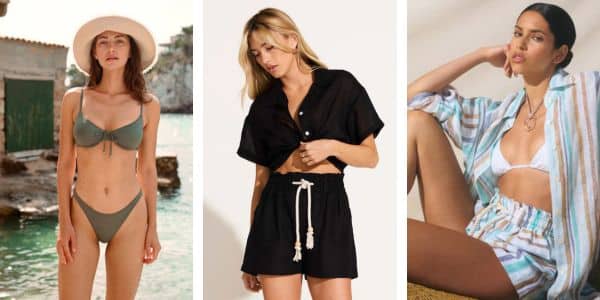
Why We Love It: Don’t be fooled by the name. Vitamin A may have started as a swimwear label, but it has grown into a full sustainable fashion brand that delivers on quality, style, and comfort.
Vitamin A uses a range of sustainable materials with 7 different recycled fabrics, including EcoLux, the first premium swim fabric made from recycled nylon. All packaging is biodegradable or compostable, and local production in California helps maintain high standards for working conditions and quality control.
How It Compares: Compared with Wolven, Vitamin A focuses on classic, minimal styles rather than bright prints or activewear sets. It’s perfect for women who want elegant beachwear and resort pieces with a sophisticated edge.
Customer Feedback: Customers praise Vitamin A for its stylish designs and high-quality fabrics, though some mention that a few bikini tops can run small.
Editor's Note: Wow, I love this brand! The EcoLux Scooped Bralette Top and matching Tie Side Cheeky Bottom are possibly the exiest pieces of swimwear I have ever owned, or even seen.
Recycling Program: Vitamin A does not currently offer a take-back or resale program. Instead, the company focuses on using recycled materials and plastic-free packaging across its collection.
✔ Hard-Wearing Men's Clothing
✔ Organic & Recycled Fabrics
✔ Repair or Replace Guarantee
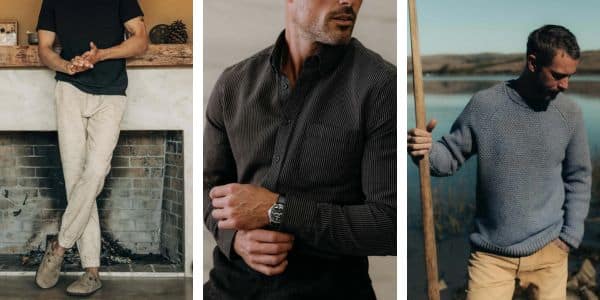
Why We Love It: Taylor Stitch builds clothes that are made to last. The brand combines organic, upcycled, and recycled materials to create timeless styles that balance rugged durability with smart design.
Its Heavy Bag collection, made from upcycled and recycled yarns, has a comfortable weight and classic fit that gets better with wear. The company’s commitment to responsible production extends to packaging made from recycled materials and a focus on reducing textile waste wherever possible.
How It Compares: Compared with Tentree, Taylor Stitch leans toward a heritage and workwear look rather than casual streetwear. It’s ideal for men who want long-lasting basics with a bit of old-school craftsmanship.
Customer Feedback: Customers often highlight Taylor Stitch’s build quality, consistent fit, and strong customer service. The repair-or-replace guarantee is a frequent favorite among repeat buyers.
Editor's Note: I think these clothes look great on guys of all ages. When you consider the lifetime repair service, the cost per wear on some of these garments is so low that it's likely to work out cheaper than fast fashion in the long term.
Recycling Program: Taylor Stitch does not offer a garment take-back program, but it encourages longevity through its lifetime repair or replace guarantee and by recycling returned fabrics into new garments whenever possible.
✔ Organic Cotton & Recycled Fabrics
✔ Resell Outgrown Items
✔ No Toxic Chemicals
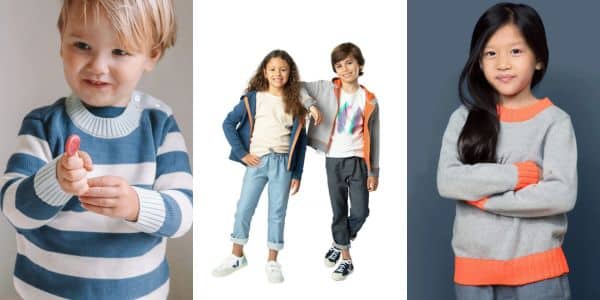
Why We Love It: Firebird Kids combines style, softness, and sustainability in every piece. Most of the range is made from organic cotton, and select garments include recycled polyester for extra durability.
The brand’s clothes are comfortable, free from harsh chemicals, and designed to last through years of play. Firebird’s approach to kids’ fashion feels personal and thoughtful, with attention to both quality and ethics.
How It Compares: Compared with Patagonia, Firebird Kids focuses on simple, everyday pieces made from organic cotton and recycled fabrics rather than technical outdoor wear. It’s a smaller, more personal brand aimed solely at children, while Patagonia caters for the whole family.
Customer Feedback: Parents who’ve reviewed Firebird Kids on the brand’s website describe the fabrics as soft and comfortable, and they appreciate the simple, classic designs.
Editor's Note: Big thumbs up from me for the gorgeous Unisex Contrast Sweater, which I tested with the help of my niece, who absolutely loves it!
I think their garments look great on her, and it's a comfort to know she's wearing organic clothing containing no harsh chemicals.
Recycling Program: Firebird Kids runs the “Pass It On” platform, which lets families resell outgrown items for 110% store credit. Clothes in good condition get a second life, and the brand handles the resale process directly, keeping garments out of landfill.
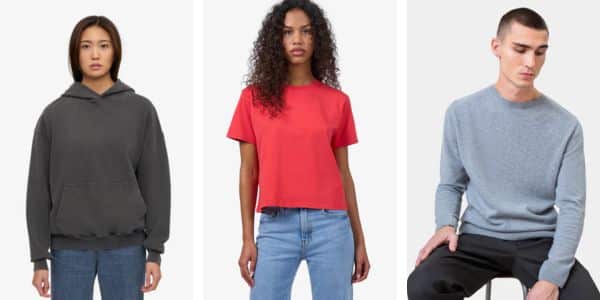
✔ Affordably Priced
✔ Bright & Attractive Range
✔ Zero-Waste Manufacturing Process
Why We Love It: Colorful Standard is a transparent, eco-friendly label that makes all its garments from recycled wool and organic cotton.
The range is simple but vibrant, offering wardrobe essentials in over 40 colors. Each piece is garment-dyed after production, a process that reduces water waste and results in deep, lasting color.
Every product feels soft, durable, and made to withstand heavy use without losing shape or comfort.
How It Compares: Compared with Tentree, Colorful Standard is more minimalist and European in design. It focuses purely on basics and color variety rather than lifestyle branding or accessories.
Customer Feedback: Verified buyers often mention the softness of the cotton, the accurate sizing, and the impressive color depth after multiple washes. Many appreciate that the garments arrive in recyclable packaging and feel well-made for the price point.
Editor's Note: I tested a unisex zipped hoodie and an organic cotton t-shirt for my Colorful Standard Review, both of which feel very soft and luxurious. At the same time, I can tell they are durable and will last for ages, even under heavy use (which they are already getting).
Recycling Program: Colorful Standard does not offer a garment take-back program, but it minimizes waste through efficient cutting techniques and repurposes unused fabric as furniture filling.
✔ Revolutionary Seaweed Fiber
✔ Transparent Supply Chain
✔ Circular Fashion Initiatives
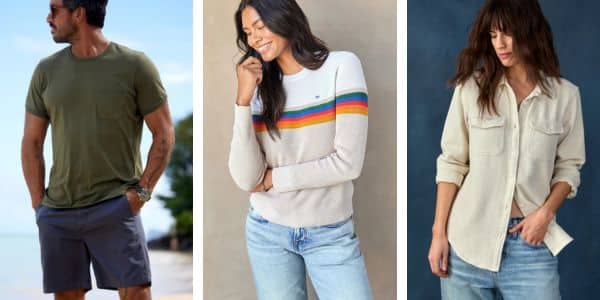
Why We Love It: Founded by professional surfer Kelly Slater, Outerknown blends relaxed, coastal design with serious sustainability credentials.
The brand uses innovative materials like recycled polyester from ocean plastics and organic cotton in most garments. Its transparent approach to production and strong ethical sourcing make it one of the most respected names in sustainable fashion.
The famous Blanket Shirt and S.E.A. Jeans collections show how recycled fibers and durability can go hand in hand.
How It Compares: Compared with Patagonia, Outerknown centers on casual everyday wear rather than outdoor or performance gear. Outerknown is a better choice for versatile pieces suited for daily use. Patagonia is better for technical function and adventure.
Customer Feedback: Customers praise the softness and quality of fabrics, especially in the Blanket Shirt and denim lines. Some note that tops and shirts can run large, and a few mention that prices are on the higher side but feel justified by the craftsmanship.
Editor's Note: If you haven't shopped in Outerworn before, I recommend you should definitely check it out. Some items are being offered at as much as 80% off standard retail price!
Recycling Program: Outerknown runs “Outerworn,” a resale platform where customers can return gently used clothing for resale or recycling. It’s part of the brand’s broader circularity mission to keep garments out of landfills.
✔ For All the Family
✔ Recycles Most Materials
✔ Repairs Damaged Gear
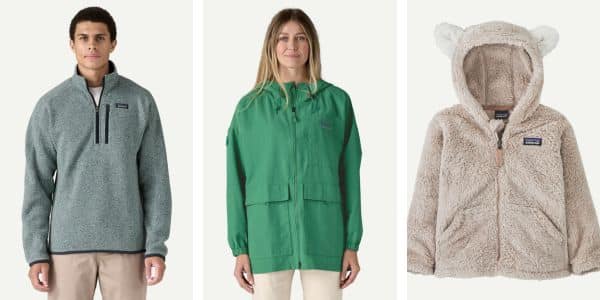
Why We Love It: Patagonia has set the global benchmark for sustainable outdoor apparel.
The brand recycles everything from plastic bottles to fishing nets, turning them into high-performance fabrics that last for years. Patagonia customers can return worn gear for repair, resale, or recycling through its Worn Wear program.
From fleece jackets to technical shells, everything feels built for long-term use rather than disposable trends.
How It Compares: Compared with Coalatree Organics, which also offers outdoor wear, Patagonia offers a much wider product range and decades of experience perfecting technical outdoor clothing.
Coalatree shares Patagonia’s eco-minded ethos but focuses on a smaller, niche line of lifestyle and travel gear. Patagonia is better for its product range and is a more established name in sustainable fashion.
Customer Feedback: Customers consistently praise the longevity of Patagonia products and the effectiveness of its repair services. Many highlight the brand’s transparency and ethical sourcing, noting that while prices are higher than average, the quality and warranty make it worthwhile.
Editor's Note: I've had a Patagonia jacket for 4 years. There was no need for me to buy anything new to test this brand as I'm already a happy customer! It holds up well to wear and tear and still looks good as new after all this time. I think they're great value for money.
Recycling Program: Patagonia’s Worn Wear initiative lets customers trade in gently used items for credit or have older pieces repaired. Items that can’t be resold are responsibly recycled, keeping textiles out of landfills.
✔ Healthier Organic Fabrics
✔ Low-Impact Dyes
✔ Fair Wage Factories
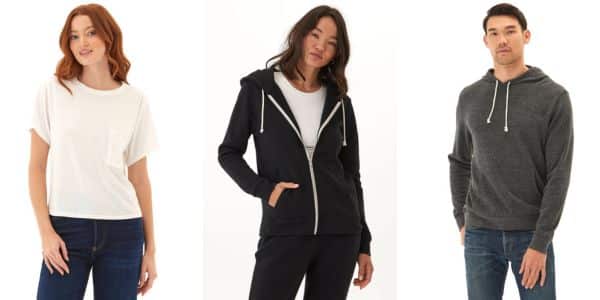
Why We Love It: Threads 4 Thought makes sustainability accessible. The brand uses recycled polyester and nylon across its entire core collections, blending them with soft natural fibers like organic cotton and Tencel for everyday comfort.
Its factory partners meet high environmental and social standards, and the brand’s price point makes eco-conscious clothing attainable for a wide audience.
How It Compares: Compared with Tentree, Threads 4 Thought keeps prices lower and leans into activewear basics made with recycled polyester and nylon. Tentree offers a wider lifestyle range and more outerwear at a higher average price.
Customer Feedback: Customers praise the softness, stretch, and comfort of the fabrics, as well as the quality for the price. Some mention limited color variety and occasional delays during major sales, but overall satisfaction is high.
Editor's Note: Just to dispel the myth that recycled clothing is expensive, Threads 4 Thought proves you can get sustainable everyday essentials at bargain prices.
Recycling Program: Threads 4 Thought does not currently offer a garment take-back program but emphasizes responsible production and material recycling throughout its supply chain.
✔ Outdoor Sustainable Clothing
✔ Top Styles for Men & Women
✔ Uses Waterless Dyes
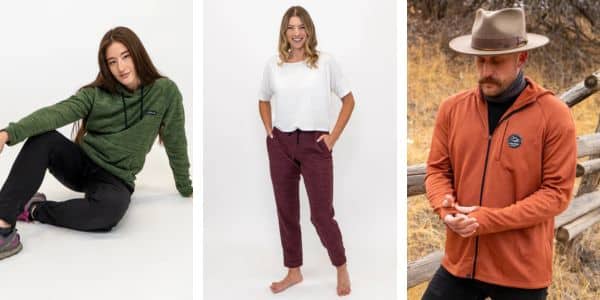
Why We Love It: Coalatree makes functional outdoor clothing using unexpected materials, including recycled coffee grounds and plastic bottles.
The resulting fabrics are quick-drying, odor-resistant, and comfortable for hiking or travel. Its use of waterless dyes reduces water consumption and avoids harsh chemicals during production.
How It Compares: Compared with Patagonia, Coalatree's range of outdoor wear is smaller and more experimental. Both focus on sustainable outdoor gear, but Coalatree’s strength lies in fabric innovation and simplicity, while Patagonia offers a larger range and a formal repair and resale program.
Customer Feedback: Verified reviews describe Coalatree clothing as lightweight, soft, and comfortable for active use. Some buyers note that sizing can run small on certain pieces.
Editor's Note: My Coalatree hooded top is one of my favorite outerwear garments, and it fits perfectly. However, we also tested a shirt that ran very small and a hoodie that ran slightly large. It's a good brand, but I recommend you check the individual product reviews on their site or contact them for help before choosing your size.
Recycling Program: Coalatree does not currently offer a take-back or resale system, but it minimizes impact through waterless dyeing and recycled material sourcing.
We personally tested at least two items from every brand in this guide. Our editor, Stephanie Cole, worked with our U.S. testing team to wear, wash, and compare each piece over several weeks of everyday use.
We rated each brand using the following criteria.
We test and score everything independently. Brands are not permitted to pay for inclusion or position in our rankings.
Now that we've explored the top recycled clothing brands, let's take a closer look at what makes recycled fashion so important.
Recycled fashion involves the use of materials from old or discarded clothing and other textiles to create new and unique pieces of clothing. The idea is to reduce waste and promote sustainability in the fashion industry by reusing existing materials instead of creating new ones.
When you choose to buy from a recycled fashion brand, you are supporting this process. But in terms of quality, you would never know the difference. Recycled clothes look and feel as good or often better than any other high-end fashion item - but with a lower environmental footprint.
Many of the top sustainable fashion brands also offer garment recycling programs. These are for pre-worn items that are still in good condition, and suitable for somebody else to wear. You can use their platform to buy second-hand clothes from other people, or sell your own in return for store credit.
Recycled clothing is made from previously worn garments, whereas upcycled clothing is made from non-clothing materials repurposed into fabrics.
If you see brands making clothes from recycled plastic waste (for example, recycled plastic bottles or recycled fishing nets) then this is upcycling, not recycling. This is because these materials have never been clothing before.
Our guide to upcycled clothing brands explains more.
As I mentioned in that guide though, the terms are often confused (even by sustainable brands themselves) and you may often see items made from recycled plastic bottles described as "recycled" when they are in fact upcycled.
It's nothing to get upset over, and it's not a case of one being better than the other. At the end of the day, both are good for the environment and both help us reduce textile waste and move away from fast fashion.
When shopping for recycled clothing, understanding certifications helps ensure you're choosing truly sustainable brands.
These certifications help consumers identify clothing brands that use recycled materials while maintaining sustainability, safety, and ethical sourcing standards.
Use these certifications as a guide to help you find brands that have a genuinely sustainable mindset, and that understand why recycling clothing is so important.
These certifications matter because they help you identify genuine recycled clothes. Here's why that's crucial to the future of our planet.
Recycling clothing is important because of the scale of textile waste.
Remember those 80-100 billion new garments that are produced every year, with just a 1% recycling rate. See our textile waste statistics to find out more.
Unfortunately, only 15% of used clothes and other textiles get recycled (NIST) and while that is better than the global rate, it's still far too low.
Textile waste in the U.S. has grown sharply. The EPA data estimates a 50% increase in textile waste between 2000 and 2018 (GAO). This will continue unless consumers take a stand and do something about it.
Recycled and recyclable fashion offers the following benefits both to you and the environment.
Given these environmental benefits, you might wonder about the cost implications of choosing recycled clothing.
No, recycled apparel brands are not necessarily cheaper than fast fashion brands. However, they are certainly better for the environment.
Part of the reason for this is a lack of materials. Only 0.3% of the materials used by the global textile industry come from recycled sources (Circle Economy).
Recycling waste materials to make sustainable clothes can be costly, and brands must pass part of that cost to consumers. However, in return, they do produce high-quality clothing that is made to last, which is the exact opposite of fast fashion.
Using recycled textiles means less waste in landfills and fewer raw materials consumed, which justifies a slightly higher price range.
To address other common concerns about recycled clothing, here are answers to frequently asked questions.
Up to 70% of textile waste could be fiber-to-fiber recycled by 2030, once existing innovative recycling technologies fully mature (McKinsey).
Look for third-party certifications, such as the Global Recycled Standard (GRS) or Recycled Claim Standard (RCS), on labels. As mentioned in the certifications list above, these require independent verification and specify exact recycled content percentages. Avoid vague terms like "eco-friendly" or "sustainable," especially when used without providing specific details.
Use consumer verification tools like the Good On You app to check brand sustainability ratings, and be skeptical of extremely low prices or brands that don't disclose their supply chain transparency. Red flags include self-created "green" labels, take-back programs without proof of actual recycling, and marketing focus on small sustainable collections while maintaining unsustainable core business models.
Yes, brands like Nuuly and A Curated Thrift offer clothing subscription boxes curated by fashion experts.
Wash recycled clothing in cold water on a gentle cycle and air dry whenever possible. Recycled fibers require gentler care because they are shorter and more delicate than virgin materials.
Turn garments inside out to reduce pilling, avoid fabric softeners and bleach, and wash less frequently by airing out items between wears.
Remember to check the manufacturer's care label for any special instructions relating to your garment.
Brands like Patagonia and TenTree accept returns of their own clothes for recycling and offer store credit towards your next order.
Services such as Trashie and Helpsy accept donations of any clothing or textile waste to keep it out of landfills.
Our core values mean we always prioritize sustainability over profit. We carefully research and evaluate every product to ensure they meet our high standards. All products featured in this article are recommended in accordance with our Review Methodology.
TheRoundup.org - As Seen On

