TheRoundup is reader-supported. We may earn a commission when you make a purchase via links on this site, at no cost to you.
All products are reviewed in accordance with our Review Methodology.

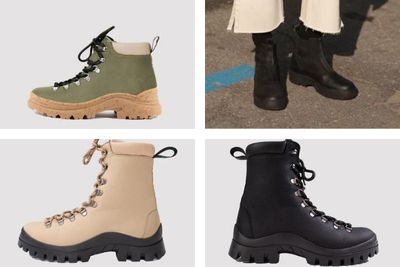
Eco-friendly shoe brands make footwear from sustainable materials like recycled plastic bottles, natural rubber, organic cotton, and bio-based materials. Combined with on-demand production and ethical manufacturing, they aim to reduce waste and carbon emissions.
Unfortunately, most shoes are not sustainably made. The global footwear industry is synonymous with overproduction, overconsumption, and human rights violations. It's basically fast fashion, which is bad for people and the planet.
That's why I've been testing sustainably and ethically made shoe options from brands that care.
This guide lists the best sustainable and (in several cases) vegan brands for men and women. Perfect for eco-conscious shoppers who want ethical, stylish shoes they can feel good about.
✔ Locally-Sourced Materials
✔ Stylish & Comfortable
✔ 98% Biodegradable Leather
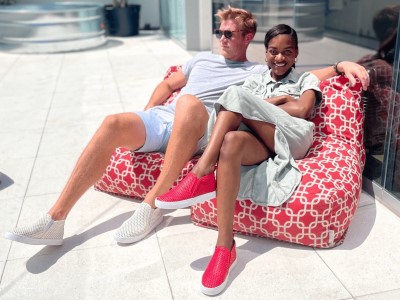
We Say: This diamond-cut eco leather shoe from Jibs offers a distinctive look that I love! They're like Crocs for adults, but with a bit more style and self-respect!
Those diamond perforations are not just there to look good. They also keep your feet cool and provide a luxuriously soft and stretchy quality that feels surprisingly comfy to wear.
The materials are sourced locally in Brazil and handcrafted into Jibs sustainable shoes by highly skilled local artisans.
The leather used is up to 98% biodegradable, compared to the industry standard of around 30%.
This means that Jibs leather will turn to compost in approximately 200 days, compared to 50 years for standard leather.
✔ Sustainable Materials
✔ Carbon Neutral Shipping
✔ 100% Vegan
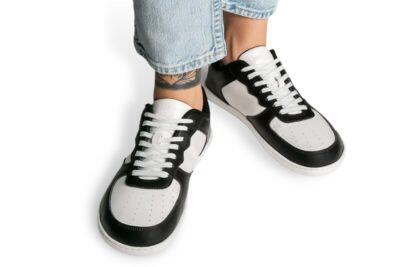
We Say: I was looking for a pair of everyday sneakers that were as minimalistic as possible. But I wanted them to look like 'normal' sneakers when worn with jeans or shorts.
The Original Luxe Gum White from Feelgrounds meets both criteria perfectly!
They ship without an additional insole, so I can really feel the ground through the thin 5mm sole.
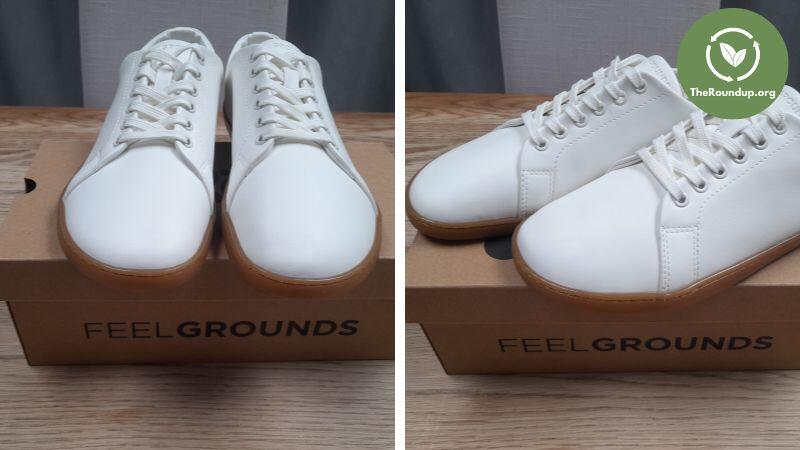
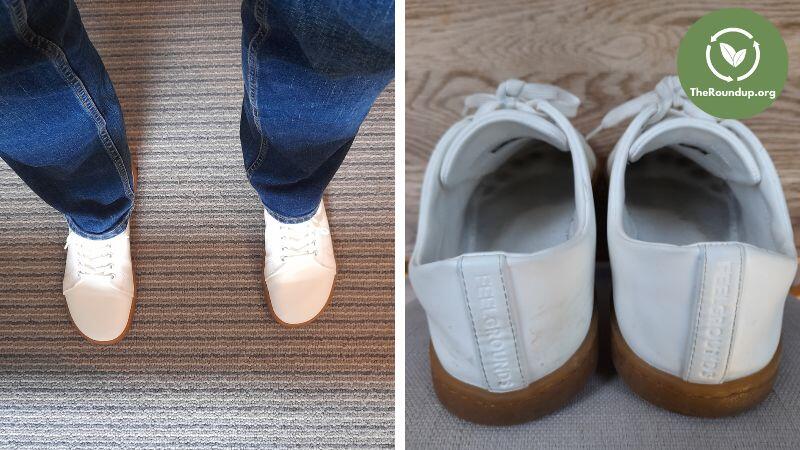
However, I still think these sneakers should come with an insole. Everyone is at a different stage of their barefoot journey. So the extra couple of mm provided by a recycled insole would benefit barefoot beginners.
In terms of style, I LOVE them! They look sleek, modern, and stylish, and match effortlessly with every pair of jeans and shorts I own.
The eco-credentials of the materials are on point. As are the working conditions for the highly skilled manufacturing team. All products are made in the Feelgrounds factory, which is inspected by the European BSCI and Better Work Vietnam.
Feelgrounds makes some of the best eco-friendly sneakers around. Thanks to their excellent sustainability and business ethics, I recommend them if you're looking to give your feet some much-needed freedom.
We Say: Softstar's Primal Chelsea Boot massively impressed me when I tested the regular-width Stout colorway with aniline finish.
The boot combines classic Chelsea styling with one of the widest toe boxes I've seen in minimalist footwear. I've worn my Softstar Primal Chelsea Boot during humid summer weather and cooler winter evenings. The merino wool and silk lining regulates temperature effectively in all weather without causing sweat or discomfort.
I treated my Softstar boots with Renapur Leather Balsam early in the testing period to extend their lifespan and prevent water staining on the naked aniline finish. If you want a pair of sustainable boots that require less treating, I suggest going for the 'Black - Wax Finish' colorway instead.
Softstar is a certified B Corporation, and they state that their workshop electricity use is 100% sourced from wind and solar.
I appreciate that Softstar Shoes has taken the risk out of buying shoes online by offering free returns. If you don't like the shoes you've ordered, you can return them within 45 days (in unused condition) for store credit using a free returns label. If you request a refund, a $9 fee will be deducted from US orders ($20 from international orders) to cover return shipping costs.
✔ Carbon Offset Option
✔ On-demand Production Reduces Waste
✔ Leather Working Group
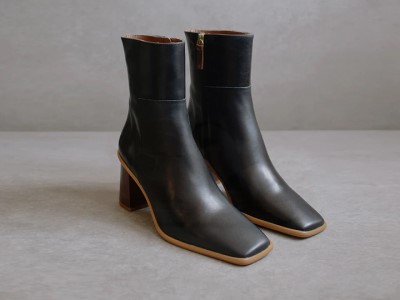
We Say: Alohas is a Spanish-based brand specializing in on-demand and local production.
The shoes are made in small batches, helping reduce waste by not holding mountains of stock that might eventually be thrown away.
The local aspect of the production cycle reduces their carbon footprint and helps employees in the local area.
On the subject of carbon footprints…there is a neat option at the checkout that allows you to pay a couple of bucks extra to offset the carbon generated by your order with carbon-neutral shipping.
You can even choose which offset project your donation goes to, for extra peace of mind.
✔ 10% Off with code ROUNDUP10
✔ Ideal for Trail Running
✔ Vegan

We Say: Freetbarefoot has created a revolutionary range of shoes that combines the best of both worlds: barefoot and minimalist.
With their uppers designed to fit like a glove and the outsole allowing feet to come alive, Freetbarefoot provides ultimate comfort and support for your feet.
I'm really starting to get into zero-drop barefoot shoes (especially for trail running), and I was excited to try out a pair of Freet Tanga. I wasn't disappointed!
I went for the gray colorway and loved the feel of them on my feet as soon as I put them on.
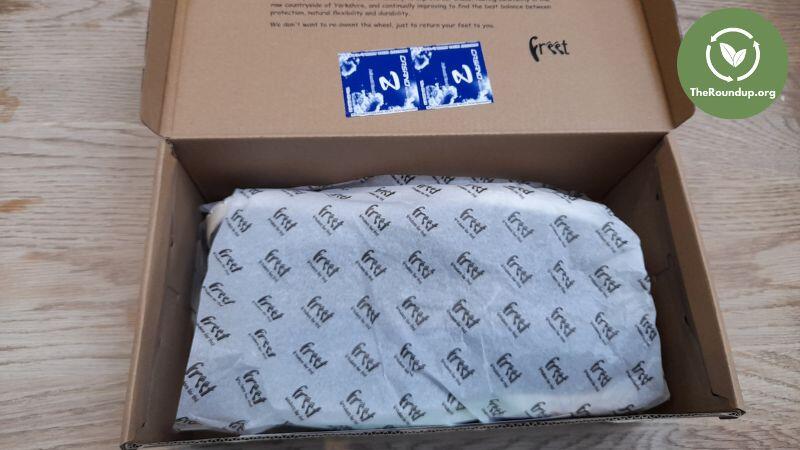
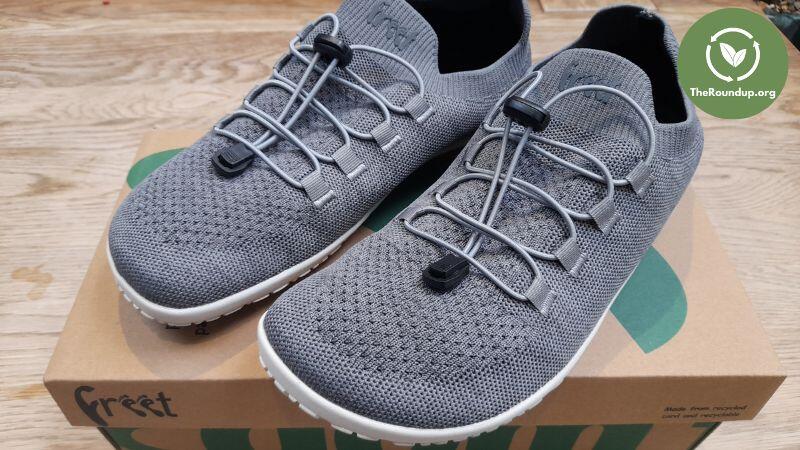
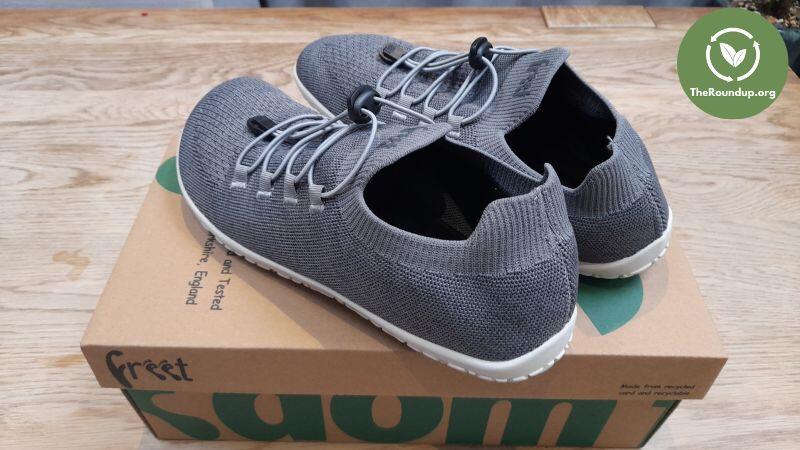
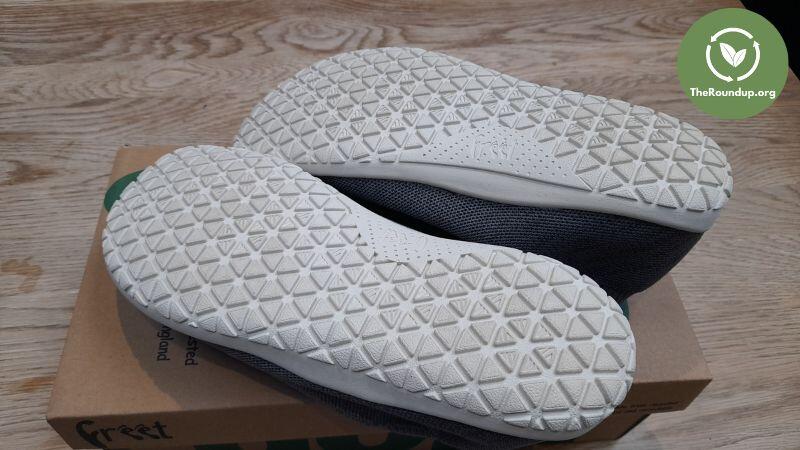

I've run over 100 miles of trails in them and they're holding up very well.
The padding is slightly more cushioned than some other barefoot brands. I find this perfect for trail running. However, you can remove the padded insole if you want the authentic barefoot experience.
The outer is a single piece of polyester-like material knitted from 100% recycled coffee grounds! Although they do use some synthetic materials in some of their products (e.g. for waterproofing), the innovative recycled and upcycled materials used in the uppers are an impressive step in the right direction.
I'm not a fan of the look of the elasticated lace. However, it makes them super easy to slip on and off and works a treat for running.
If I were wearing these shoes casually (with jeans, for example), I would swap out the elasticated laces for the standard laces that also come with these shoes.
I love my pair of Freet Tanga and hope to try out more of their range soon.
✔ Recyclable Sneakers
✔ Closed-loop Production
✔ Soles4Souls Donations
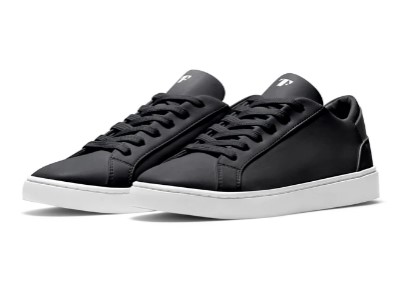
We Say: Thousand Fell designs their sneakers in New York and makes them in Brazil. They use a single, family-owned factory to keep inventory low and quality high.
Circularity is key to everything Thousand Fell does. All their sneakers are designed with their entire life cycle in mind, from raw material to end-of-life disposal.
Thousand Fell uses innovative materials like bio-leather derived from food waste and recycled plastic. I'm particularly impressed by how they use natural materials like sugar cane and coconut husk to replace the plastic found in conventional shoes. I wish more sustainable brands would do this!
Don’t throw away your old Thousand Fell sneakers if they have some life left in them. Simply return them to Thousand Fell, and they’ll donate them to someone in need via Soles4Souls.
They even take back sneakers that can no longer be worn. Thanks to their recycling facility in the U.S., they can pull apart old sneakers and make new ones. And any material they can't use is given to their partners to be upcycled.
Truly zero-waste!
✔ All Natural Materials
✔ Temperature Regulating
✔ Biodegradable & Vegan

Mrs. M told me about Kingdom of Wow and its ethos to manufacture with purpose. I was intrigued and had to dig deeper. I'm so glad I did!
At its core, Kingdom of Wow (KOW) believes in crafting styles that embody not just great design but a sincere passion for excellence. It takes immense pride in doing things correctly by prioritizing responsible production practices.
The KOW workshop is a supportive and secure environment for the team to thrive. KOW believes that providing fair wages, ensuring wellness, and offering benefits beyond legal requirements are the foundations for a harmonious workplace.
I tested the Charcoal Bamboo Wool Slippers and was blown away by their comfort. Both cooling and cozy at the same time. Witchcraft!
I also love that these slippers are machine washable. I washed them on a cold cycle as soon as they arrived, and they came out in perfect condition.
These are my new favorite slippers, and I've worn them daily for around three months.
This high level of wear has highlighted a potential issue, though. They've already started to wear a little, and bits of wool are coming away. This has not yet begun to affect the comfort of the slippers, but I think it might do so over time. I have a feeling they'll need replacing every few years.
However, slight longevity concerns to one side, I'm a massive fan and have no doubt I'll be wearing KOW slippers for many years to come!
✔ Carbon Footprint Labelled Products
✔ Natural & Renewable Materials
✔ Certified B Corp Since 2016

We Say: Allbirds is known for its innovative approach to shoe production. Their innovations include replacing petroleum-based synthetics with natural alternatives (like merino wool) and plant-based materials (like eucalyptus tree fibre and sugarcane foam). Even the laces are made from recycled plastic water bottles.
Allbirds is committed to reducing its carbon footprint and aims to eliminate its products' carbon emissions. Every product carries a carbon footprint label, which is a level of transparency I wish more brands would adopt. They also open-sourced their carbon calculator for the wider industry.
The eco-credentials are strong. The wool is ZQ-certified, the brand has been a B Corp since 2016, and they run a ReRun resale marketplace for gently used products. The shoes are machine washable, which helps extend their life.
However, durability is a consistent concern. Many users report that their shoes wear out within 8 to 12 months of regular use, particularly around the toe box. For a sustainability-focused brand, this issue undermines the eco-benefit of lower-impact materials.
It is also worth noting that in March 2026, Allbirds agreed to sell its assets to American Exchange Group for $39 million, a dramatic fall from a $4 billion valuation in 2021. The long-term future of product quality, sustainability commitments, and customer support under new ownership remains unclear.
We Say: For every pair of boots Thesus makes, up to 1.4 kg of waste is diverted or reclaimed from oceans and landfills.
They make shoes from 95& natural and recycled materials. These include recycled plastic retrieved by fishermen from the ocean, and upcycled polyurethane reclaimed from old car dashboards.
Water-based vegan glue is used to bind the upper and soles together.
Thesus published the entire list of materials used materials on each product page, so you know exactly what you're getting before you buy.
This is both an ethical and sustainable company. 100% of their workers are paid living wages.
The product is fully waterproof and excellent for outdoor use, and also very fashionable (or so my daughters tell me).
✔ Partly Recycled Materials
✔ 100-Day Trial
✔ Takeback Scheme

We Say: Vivobarefoot is the perfect shoe if you’re looking to get back in touch with nature.
As a keen trail runner, I’ve had my eye on Vivobarefoot running shoes for a while, so I eventually took the plunge and tested a pair of Primus Lite III.
They take some getting used to (there’s an online course to help), but within a day or two, I was hooked.

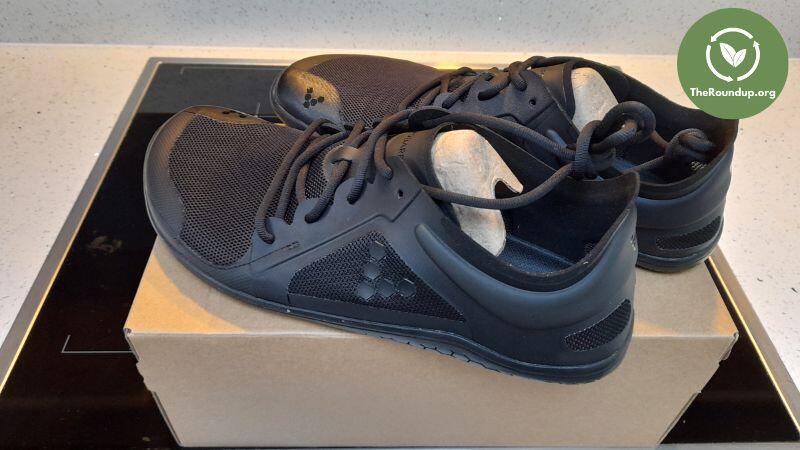
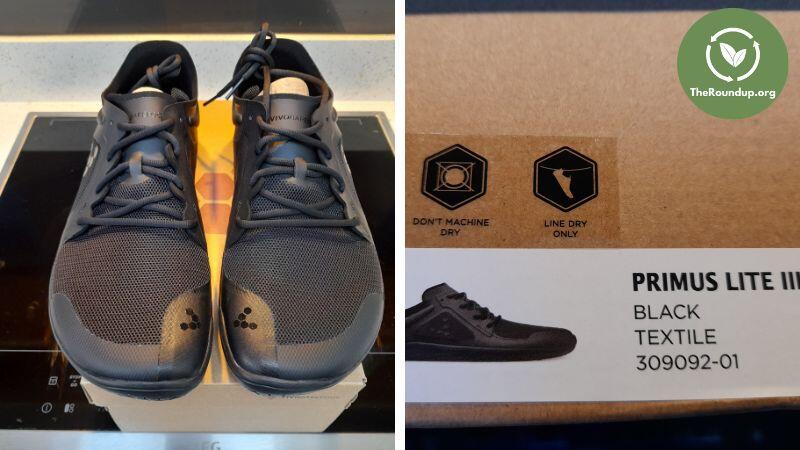
One slight negative is the mix of materials used. Although they do use a proportion of recycled post-consumer waste materials, these are blended with some virgin synthetic material. This is an issue that the brand is aware of, and they are actively trying to change to a fully sustainable mix in the future.
Vivobarefoot offers a 100-day trial on all its products. Giving you plenty of time to put them through their paces and decide if a barefoot future is right for you.
All of this makes Vivo an easy choice to help you get back in touch with nature.
Or Buy on Amazon (Without Discount)
✔ All-Day Comfort
✔ Waterproof and Breathable
✔ Enhances Balance and Feel

Why It's My #1 Pick: The TRUE OG Tour shoes I tested combine professional performance with all-day comfort. Their wide toe box and zero-drop sole deliver a natural fit and comfort that's better than any other golf shoe I've worn.
Personal Experience: I tested the TRUE OG Tour during a golf trip to Portugal. Walking the course is essential for me (not just for exercise but for connecting with nature), so comfort was my top priority.
The wide toe box felt natural and gave my feet the room they needed, even after hours of play. There was no pinching or soreness, just pure comfort.
The zero-drop sole improved my balance during my swing, boosting my confidence and enhancing power transfer. The Napa leather construction added both durability and a luxurious feel.
Beyond the course, these shoes work well for casual wear at the clubhouse or dining out. The leather was initially stiff but softened after a quick break-in period, becoming even more comfortable. These shoes exceeded my expectations for comfort and versatility, both on and off the course.
About the Brand: TRUE has transformed golf footwear by prioritizing comfort, performance, and sustainability. The brand was founded by two brothers with deep ties to the game (one a TOUR golfer and the other a caddie).
TRUE designs minimalist, versatile shoes that transition seamlessly from the course to daily life. Their focus on eco-conscious craftsmanship and durable, sustainable materials sets them apart as leaders in golf and casual footwear innovation.
Sustainable shoe companies prioritize sustainability by using recycled plastic bottles, natural rubber, organic cotton, and bio-based materials to reduce waste and carbon emissions.
To make a shoe sustainable, it must meet some or ideally all of the following criteria:
These attributes are in contrast to the traditional shoe industry, most of which is not sustainable.
The footwear industry is unsustainable because it's associated with several environmental and ethical issues. Some of the environmental issues include:
From an ethical standpoint, the issues include:
If these things alarm you, here's how to make sure the shoes, boots, or sneakers you buy are eco friendly.
The following tips help you choose quality shoes from sustainable fashion brands.
Most sustainable footwear brands want to shout from the rooftops about their environmental policies, so much of the above information should be clearly and prominently displayed on their website. If it's not, then don't be afraid to ask before you buy!
Both Feelgrounds and Jibs stood out to me for their commitment to sustainability and fair labor practices.
However, having done my due diligence, I'm confident that you can shop at any of the brands on this list and know their shoes are produced ethically.
Shoe brands can become sustainable by using materials like organic cotton and recycled plastics, and by designing durable and repairable shoes. They can also adopt sustainable practices in production to minimize waste and reduce their carbon footprint.
Nike is not yet a fully sustainable shoe brand, but it is improving. They have some product lines that use sustainable materials, and they are better than other large shoe brands at transparency in their supply chain.
However, more improvements are needed before they can be described as truly sustainable.
Read the article Is Nike Fast Fashion for more details.
Adidas has made significant efforts to become a more sustainable company. The company has set ambitious targets, such as aiming for 90% of its articles to be sustainable by 2025 and achieving climate neutrality across its entire value chain by 2050.
Adidas is also committed to using more sustainable materials, such as repurposing polyester and Parley Ocean Plastic, and has been working on circular services and material innovation to reduce its environmental impact.
However, despite these efforts, Adidas still faces ethical concerns related to its supply chain and workers' rights violations.
People are (belatedly) beginning to wake up to the fact that the fashion industry is such a huge contributor to global waste, poverty, and climate change. So it’s reassuring to see so many ethical and sustainable shoe brands emerging.
Yes - sustainable and vegan shoes are slowly finding their way into the mainstream shoe industry - but there is no room for complacency.
The more we vote with our wallets, the more shoe brands will take notice. Hopefully, one day, shoes made from natural materials will become the norm.
Until that day arrives, we all need to keep doing our bit to keep things moving in the right direction.
Our core values mean we always prioritize sustainability over profit. We carefully research and evaluate every product to ensure they meet our high standards. All products featured in this article are recommended in accordance with our Review Methodology.
TheRoundup.org - As Seen On