
TheRoundup is reader-supported. We may earn a commission when you make a purchase via links on this site, at no cost to you.
All products are reviewed in accordance with our Review Methodology.

Organic cotton comforters are made from cotton that is grown without the use of synthetic pesticides, herbicides, or harmful chemicals. They're a healthier and more eco-friendly choice for sleep environments compared to traditional synthetic bedding, which can contain pesticides, chemicals, and flame retardants.
Choosing organic bedding matters because the EWG reports that traces of PFAS are found in some comforters, sheets, and similar textiles. These so-called "forever chemicals" do not easily break down in the environment and may affect indoor air quality and long-term health.
As The Roundup’s resident sleep expert, I'm someone who genuinely values a good night’s rest. So my team and I set out to personally test the best organic cotton comforters and non-toxic duvet inserts available in 2026.
This guide is for eco-conscious shoppers looking for comfort, breathability, and sustainability without compromising on ethics or durability.
We're reviewing sustainable comforters and duvet inserts together in this guide because they are very similar products. However, there are some differences you should be aware of before deciding which product is right for you.
Now that you know the difference, let's take a look at the best eco-friendly options.

✔ Easy Maintenance
✔ Classic Diamond-Shaped Quilting
✔ Fill that Doesn't Move
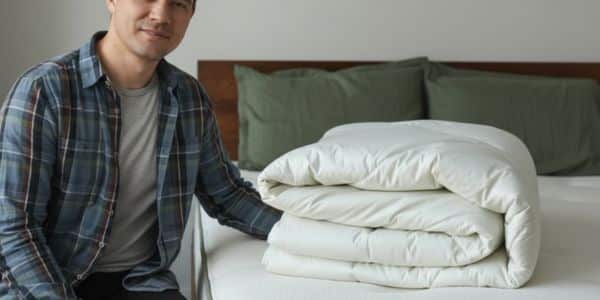
Why It's Best Overall: The Coyuchi Diamond-Stitched Organic Cotton Comforter earned my top spot because it's made from GOTS-certified organic materials, which is a pre-requisite for me.
Other comforters offer that too, but the Coyuchi stands out from the crowd because it features beautiful diamond quilting that keeps the fill from shifting. I hate when some other comforters get bunched up, and love that the diamond stitch pattern solves that problem.
It's easy to care for too. I love that I can throw it in the washing machine without worrying about damage.
Personal Experience: The first thing I noticed about the Coyuchi Diamond-Stitched Organic Cotton Comforter was how cool and crisp the percale shell feels against my skin.
My wife immediately noticed a difference from our usual bedding and commented that it reminded her of hotel linens, but with a more textured feel.
After sleeping under it for four weeks, I'm convinced it's making a big difference in helping prevent my regular sleep disruptions.
As I get older, I often find that I wake overheated around 03:00. But that rarely happens with the Coyuchi comforter. Its thin cotton construction circulates enough air to keep me comfortable until morning.
Coyuchi doesn't list a sleep trial, whereas Avocado and Naturepedic offer 100-night trials. However, it offers free returns (30 days for a refund or 180 days for store credit), even after washing. I'm happy that this gives you enough time to decide if this comforter is right for you.
✔ Keeps Sleep Temperature Stable
✔ Lightweight Feel
✔ Generous 100-Night Sleep Trial
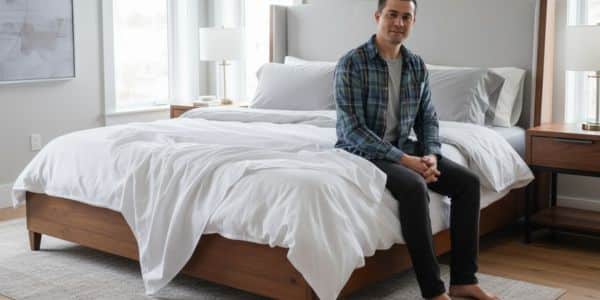
Why It's Best for Year-Round Use: The Alpaca Duvet Insert's breathable organic cotton shell and moisture-wicking alpaca fill naturally regulate temperature. I find it keeps me cool in summer and warm in winter. But if you sleep very hot, I suggest trying out my other recommendation for year-round use, the Nest Bedding Silk Cloud comforter.
Why I Also Recommend It for Winter Use or Cold Sleepers: In my experience, the dense alpaca fill retains heat better than the Nest Bedding Comforter. So, as well as being an excellent year-round option, this heat retention also makes Avocado a great choice for chilly winter nights or naturally cold sleepers.
Personal Experience: The Avocado Alpaca Duvet Insert surprised me with how lightweight it feels compared to the warmth it provided.
After a couple of weeks of use, it feels barely noticeable. But it keeps me at the perfect temperature every night without needing extra blankets or kicking covers off.
Avocado operates a GOTS-certified facility in Los Angeles, and I love that the alpaca fiber is sourced from a traceable network in Peru. The company publishes an annual Impact Report and holds multiple leading certifications that require annual audits rather than one-time fees.
I've reviewed enough so-called eco-friendly bedding over the years to spot greenwashing instantly. But this brand is the real deal. Avocado's transparency holds up under scrutiny, and the Alpaca Duvet Insert performed exactly as its technical specs promised.
If you choose this option, I recommend you pair it with the Avocado Organic Cotton Duvet Cover to protect the insert from spills and stains.
✔ Silky Luxury Feel
✔ Helps Prevent Overheating
✔ Traveling or Camping (Lightweight)
Why It's an Excellent Choice for Year-Round Use & Warm Sleepers: The Mulberry silk fill and GOTS-certfied cotton shell work together to keep you from overheating. It's also an excellent year-round alternative to Avocado if you want a comforter rather than a duvet insert.
Personal Experience: The Nest Bedding Silk Cloud Comforter performed very well for me during the hot summer months. It arrived in a reusable storage tote, and I was initially skeptical that something this thin could work year-round. I changed my mind within the first week of testing.
The silk fill is excellent at regulating body temperature. I love how the shell stays cool against my skin during humid August nights when our AC struggles to keep up. When winter arrives and temperatures drop, the same comforter traps just enough warmth to keep me cozy without overheating.
✔ Vegan-Friendly
✔ MADE SAFE–Certified Materials
✔ GOTS-Certified Quality
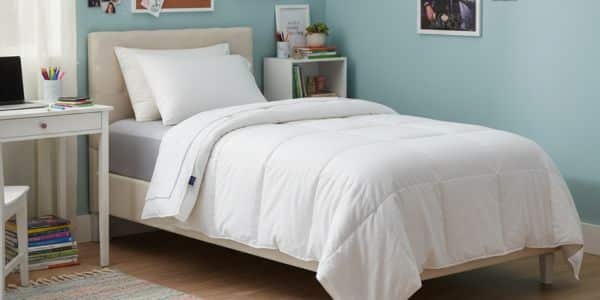
Why It's Best for Kids: Naturepedic is my top pick for kids because it uses GOTS-certified organic cotton and plant-based kapok to produce a non-toxic sleep environment (confirmed by the MADE SAFE certification). However, I'm a fan of children using a twin-sized bed as soon as it's safe, so any of the recommendations (in Twin size) in this article will work well for kids.
Why People Also Trust It for Allergies and Sensitive Skin: Naturepedic states that kapok is naturally resistant to dust mites, mold, and mildew without additives. In my experience, the hypoallergenic-like qualities of kapok (when wrapped in certified organic cotton) may help reduce allergen exposure and minimize skin irritation.
Personal Experience: I tested Naturepedic after suspecting that my youngest daughter's skin sensitivities were being made worse by her old comforter.
My daughter's nighttime complaints about itchiness and overheating disappeared within the first week of switching to this duvet insert. The plant-based fill breathes remarkably well compared to the comforter we'd replaced, allowing her to sleep through the night more consistently.
The kapok fill stayed evenly distributed during six weeks of testing without the cold spots or clumping her old comforter had. She also tells me that the cotton shell (we don't use a duvet cover) feels smoother against skin than anything she'd slept under before.
Naturepedic makes two versions of this product (Adult and Kids). They're essentially the same, but the Adult version is the only one available in the biggest size (King/Cal King).
✔ Extended 365-Day Returns
✔ Recycled Materials
✔ Textiles Screened for Toxins
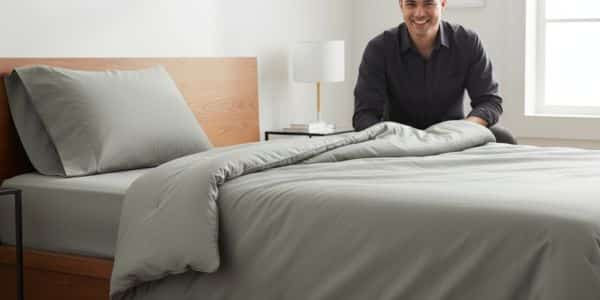
Why It's the Best Value for Money: Quince sells quality comforters at a price lower than any other brand I tested. How? By cutting out intermediaries and selling directly from the factory.
Quince does not offer a sleep trial by name. However, its 365-day returns policy means you can test this comforter for a year before deciding whether to keep it. Avocado and Naturepedic both offer excellent 100-night sleep trials, but they come with a higher price. If low cost and extended testing time are your main priorities, then Quince is the brand for you.
Personal Experience: The Quince Organic Cotton Sateen Comforter went through some tougher-than-expected real-world testing conditions in the Miller house.
Millie, our labradoodle, claimed the foot of our bed as her personal lounging spot and tracked in sand and mud most days. My daughters used the comforter for impromptu pillow fights and movie marathons that always involve snack crumbs and spilled water bottles.
I washed the comforter eight times in six weeks (more than recommended) to see if the quality failed. It didn't. The cotton shell has kept its silky hand-feel, and the recycled polyester has not clumped or shifted to one side. Very impressive!
If you're looking for a comforter with heirloom construction or full GOTS certification, you should look elsewhere (such as Coyuchi, Avocado, and Naturepedic). But for families seeking a non-toxic comforter made from certified safe materials (OEKO-TEX Standard 100) and durability at a fraction of luxury pricing, this comforter delivers.

✔ Premium Comfort
✔ Responsible Down Standard
✔ Long-Lasting Loft
Why It's the Best Luxury Comforter: This OEKO-Tex certified comforter is made from premium materials (organic percale cotton, triple-washed down, and baffle-box quilting) to create a luxurious product.
All this comes at a price, though, and this is the most expensive comfort I tested (closely followed by Avocado & Nest). It's worth the investment if you can afford it, but Quince is an excellent lower-cost alternative if you're on a strict budget.
Personal Experience: The Boll & Branch Quilted Down Comforter felt stiffer than I expected at first, but it softened after the first wash without losing its structure.
The weight of this comforter pleasantly surprised me. It feels substantial when handling, but once on our bed, it settles with just enough weight to feel secure without pinning us down.
Our labradoodle, Millie, jumped on the bed several times daily during testing, and the shell fabric did not snag from her claws. That's a clear sign of high-quality materials and workmanship (albeit via an unintended test!)
Boll & Branch has a feature called Origin Track which allows you to enter a code from your comforter's tag and track its full journey (from farm to your bed). No other brand I found offers this, and it's a difference maker if you care about where your fabrics come from.
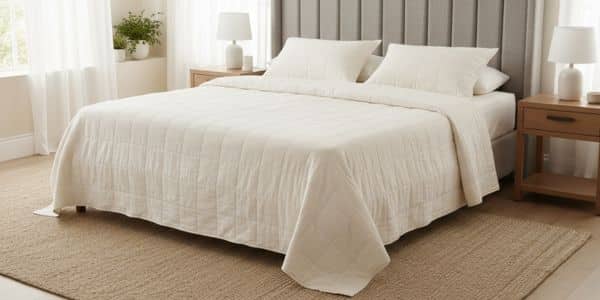
✔ Easy Layering
✔ Ethical Manufacturing
✔ Carbon Neutral Shipping
Why It's the Best for Couples: The width of the King/Cal King option (114") is greater than any other comforter I tested (Boll & Branch was next widest at 110"). This extra width gives plenty of drape and enough comforter for couples to share (even if your partner is a blanket hogger).
Personal Experience: Pact's ethical certifications caught my attention before purchase and held up under scrutiny during testing. It sources GOTS-certified organic cotton and produces this quilt in Fair Trade factories.
The SimpliZero carbon offsetting program covered my shipping emissions. This matters to me after calculating the environmental cost of some of my previous bedding purchases.
Pact's cotton batting has stayed evenly distributed through multiple wash cycles, but the sateen weave is showing wear from Millie's claws during morning stretches.
If a pet-friendly option is your priority, you should consider Quince or Boll & Branch. I found that these two brands coped best with wear and tear from our crazy Labradoodle during my tests.
We personally tested every comforter featured in this roundup over a period of at least 4 weeks to evaluate how each one performs in real-world conditions.
Our team included volunteers based across the US, from Maine to California. Testers used a consistent testing process across all products to ensure fair comparisons. Each comforter was washed (where manufacturer care instructions allowed) and assessed in both warm and cool indoor temperatures.
We recorded our findings daily, comparing how each product felt, aged, and performed after repeated use and washing. At the end of the test period, we rated each comforter against the following criteria.
Our team tested and rejected a further 12+ products that did not meet our criteria.
All products were purchased online using the links we have provided above. Brands are not permitted to pay for inclusion or preferential placement in our articles. Our recommendations are based solely on performance, verified certifications, and the values that align with The Roundup’s sustainability standards.
Organic comforters are typically made with an outer shell of organic cotton woven into percale or sateen, and a fill made from natural fibers such as organic cotton batting, kapok, alpaca, silk, or ethically sourced down. Some lower-cost options also use certified recycled polyester as a non-natural alternative.
The shell is the outer fabric that holds the fill in place. In an organic comforter, you'll almost always find one of two cotton weaves.
Both percale and sateen are commonly GOTS-certified, provided the cotton itself is grown and processed to organic standards. The weave affects how the comforter feels against your skin, but the certification is what confirms the cotton is organic.
The fill is what gives a comforter its warmth and weight. There's more variety here than on the shell side, and each material behaves differently.
Each of these materials has its own strengths, and the right choice depends on whether you sleep hot or cold, whether you have allergies, and whether plant-based or animal-based fills fit your values. I'll walk you through that decision step by step in the next section.
To choose the right organic cotton comforter, you need to balance comfort, sustainability, and budget. Use this checklist to help you decide which comforter is right for you.
Your natural sleep temperature and climate are crucial factors in choosing a comforter. The wrong weight can disrupt your sleep quality every night.
A standard year-round comforter weight is approximately 400 grams per square meter (GSM), but you may need a lower or higher rating depending on your circumstances.
Hot Sleepers or Warm Climates:
Cold Sleepers or Cold Climates:
Year-Round/Neutral Sleepers or Variable Climates:
Make sure your comforter is big enough to cover your bed and to allow sharing if you sleep with a partner. Proper sizing provides full coverage and an elegant drape over your mattress edges.
Measure Your Mattress:
Standard Sizes Available:
For Couples: Consider extra-wide options like the Pact Organic Quilt King/Cal King.
Organic comforters range dramatically in price. Understanding what you get at each price point helps you make an informed investment.
Budget-Friendly ($$):
This price range is around $130 - $150 for a twin-size.
Mid-Range ($$$):
This price range is around $175 - $200 for a twin-size.
Premium/Luxury ($$$ - $$$$):
This price range is around $300 - $400 for a twin-size.
Well-constructed comforters maintain even warmth distribution and last longer than poorly stitched alternatives.
Baffle-box or box-stitch construction styles help ensure the fill does not clump or shift.
Third-party certifications are the way to tell whether a comforter is truly organic and safe to use. Here are the certifications to look for and what they mean.
Product Safety & Organic Standards:
Use these certifications to confirm you're buying a non-toxic comforter made from certified organic materials, with no harmful chemicals added during the manufacturing process.
Ethical Production:
Use these certifications to confirm that materials were ethically sourced and that animals were treated humanely.
Environmental:
What to Avoid:
How you'll clean your comforter affects long-term convenience and cost. It's especially important if you have kids, pets, or allergies that need frequent washing.
Machine Washable:
Spot Clean or Dry Clean Only:
Key Consideration: If you have kids or pets, choose machine-washable options.
If you're unsure about which comforter is right for you, use a sleep trial to test it for yourself in your own home.
The Avocado Alpaca Insert and Naturepedic Kapok Comforter had the longest sleep trials of the brands we tested.
Critical Details to Check:
Where and how often you'll use the comforter determine your budget and which features matter most.
Primary Bedroom (Nightly Sleep):
Guest Room / Occasional Use:
Kids/Babies:
Certain health conditions, ethical preferences, or household situations require specific comforter features.
For Allergy Sufferers:
For Sensitive Skin:
For Vegans:
For Pet Owners:
Organic comforters offer the following benefits compared to those made from synthetic materials.
So while they may be more expensive, a comforter made from natural materials is better value for money as long as you know how to care for it properly.
Organic cotton comforters are designed to last, but caring for them properly makes a big difference in how they feel and perform over time.
Washing a comforter can be bulky and challenging, especially with larger sizes. Duvet covers are generally easier to wash, so duvet inserts are generally a more convenient option for maintaining cleanliness.
Here’s what we recommend based on our testing experience.
Tip: Avoid dry cleaning unless the manufacturer specifically recommends it. Most dry-cleaning solvents can damage organic fibers and remove the natural finishes that make these comforters breathable and non-toxic.
Yes, organic comforters are typically more expensive than conventional ones.
The premium reflects the cost of certified organic farming, third-party certifications such as GOTS and OEKO-TEX, ethical sourcing, and higher-grade fills like alpaca, mulberry silk, or RDS-certified down.
You're paying for safer materials, supply chain transparency, and better build quality.
Yes, organic comforters can be used year-round, provided you choose a fill and weight that match your sleep temperature and climate.
Several of the options I tested handled both warm summers and cooler winter nights without needing to be swapped out, particularly those with temperature-regulating fills.
Yes, synthetic comforters can contain chemical treatments designed to help with stain or water resistance.
As reported by the Environmental Working Group in 2022, independent testing found PFAS in several consumer textiles, including comforters.
Choose products made with untreated natural fibers to reduce your potential chemical exposure.
Yes, some natural materials in organic comforters can act as allergens for sensitive sleepers. Down and feather fills are the most common bedding-related triggers, with a smaller number of people sensitive to animal fibers like alpaca or silk.
If you've reacted to bedding before, a plant-based fill is the safer choice.
Both fill power and GSM describe how warm or substantial a comforter feels, but they measure different things depending on the material.
So, fill power measures fluffiness and insulation, while GSM measures material weight and density. Both help you gauge warmth and comfort, but the type of fill determines which measurement applies.
No - poly-cotton is made by mixing conventional cotton with polyester, which is a synthetic, petroleum-based fabric.
If virgin polyester is used, then it's not eco-friendly. If recycled polyester is used, then it's better. Polycotton is less breathable than 100% organic cotton.
The most environmentally friendly bedding materials are organic cotton, wool, hemp, and bamboo.
See my eco-friendly bedding article for a list of brands that make high-quality bedding using these materials.
Although not essential, using a cover for your comforter is highly recommended. Investing in a sustainable cover will protect your comforter from spills and mishaps.
Organic wool inside an organic cotton shell is a good alternative comforter option for improved sleep quality. Wool is excellent for moisture-wicking and temperature control, and it's good for allergy sufferers because it naturally resists dust mites.
I cover the subject in more detail in my wool comforter article.
Lyocell is made from a renewable resource (wood pulp) and has many of the same benefits as bamboo. I recommend reading up on lyocell to ensure it meets your needs.
Ettitude does not make organic comforters and duvet inserts. However, it does make some excellent bamboo products.
Regular cotton is known as the world's thirstiest crop and is not good for the environment.
So, ideally, we should only buy organic cotton (preferably GOTS-certified organic cotton).
It's just as important to ensure you buy from a supplier/manufacturer committed to ethical and green business practices (like fair pay, an ethical supply chain, and safe working conditions).
Every recommendation in this article gives you the peace of mind that you're doing your best for the planet…all while snuggled up under a super cozy comforter.
Our core values mean we always prioritize sustainability over profit. We carefully research and evaluate every product to ensure they meet our high standards. All products featured in this article are recommended in accordance with our Review Methodology.
TheRoundup.org - As Seen On

