TheRoundup is reader-supported. We may earn a commission when you make a purchase via links on this site, at no cost to you.
All products are reviewed in accordance with our Review Methodology.
Most people don't think about the environmental impact of the products they use every day. But, when it comes to tissue paper, there is a lot of debate about whether or not it is eco-friendly.
Like most types of paper and cardboard, tissue paper is biodegradable.
But before you take a sigh of relief and reach for the Kleenex - wait! Because that's not the whole story.
As most people know, paper pulp comes from trees. Society's reliance on tissue paper has been described as flushing forests down the toilet.
In this article, we will explore the different aspects of tissue papers and look at the evidence around their biodegradability, and sustainability.
We hope that this information will help you make an informed decision about whether or not to use tissue papers.
All types of tissue papers are biodegradable. But products that are specifically labeled as biodegradable tissue paper are designed to decompose faster than regular paper.
The process of biodegradation occurs when microbes break down the paper into small pieces. This process is accelerated by the presence of oxygen and moisture.
Biodegradable tissue paper is usually made from natural raw materials. Instead of virgin forests, they use a variety of plant fibers, including bamboo, hemp, and sugar cane.
The production of biodegradable tissue often requires less water and energy than the production of traditional paper products. As a result, it is considered to be more environmentally friendly.
While biodegradable tissue paper may cost more than traditional paper, it is usually softer, stronger and a far more eco-friendly alternative to regular tissue papers.
Tissue paper is an essential part of our daily lives - we use it for everything from blowing our noses to wrapping presents. However, most tissue paper is made from virgin tree pulp, which means that it takes a heavy toll on the environment.
Fortunately, there is an alternative: biodegradable tissue paper.
Biodegradable tissue is made from plants, so it doesn't require the felling of new trees. In addition, it breaks down more quickly than traditional paper, meaning that it's less likely to end up in landfill sites.
Best of all, some brands of biodegradable tissue paper are even softer and more absorbent than their conventional counterparts!
Most tissue papers dissolve fast and do not take very long to biodegrade. If it is placed in a compost pile, it will break down in about two to four weeks.
However, if tissue paper is thrown away in a landfill, it can take much longer to decompose because it is often buried beneath other waste material.
In these conditions, it can take up to five years for tissue paper to fully decompose.
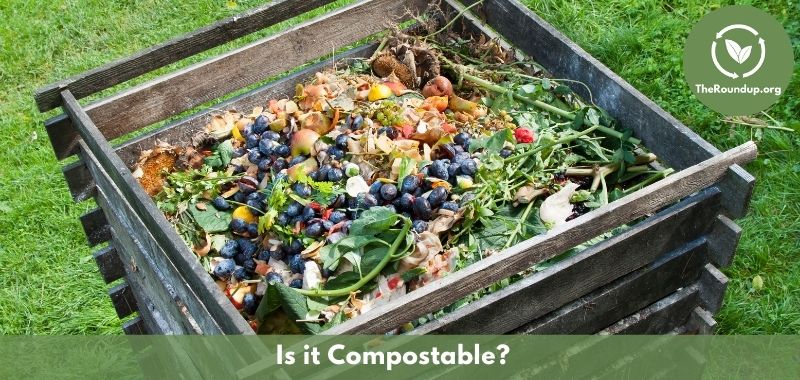
Plain tissue, such as that used for wrapping gifts or blowing your nose, is made from wood pulp and will eventually break down in a compost pile.
However, colored paper or tissues that are bleached or have lotions or perfumes added to them may contain chemicals that can inhibit the composting process.
In general, if you plan on composting tissue paper you should only use plain paper, and not scented or colored paper.
While most people know that they can recycle paper products like newspapers and office paper, you may be wondering whether you can recycle tissue paper. The answer is yes!
However, bear in mind that the recycling process does have a carbon footprint of its own, so it is best to reuse if you can, and recycle if you can't.
However, there are a few things to keep in mind when recycling tissue paper. First, make sure that the tissue paper is clean and dry.
Secondly, avoid recycling tissue paper that is covered in wax or has been used for gift wrapping, as this can contaminate other recyclables.
If you're unsure, check with your local recycling center to see if they accept tissue paper.
When it comes to eco-friendly options for tissue paper, there are a few things to consider.
One is the source of the paper. Recycled paper is a good option, as it doesn't require new trees to be cut down. However, it's important to make sure that the paper has been recycled using safe and environmentally friendly methods.
Another eco-friendly option is bamboo tissue paper. Bamboo is a fast-growing grass that doesn't require pesticides or other harmful chemicals to thrive. As a result, it's a sustainable option for tissue paper.
Finally, consider the packaging of the tissue paper, and make sure it doesn't contain plastic. Eco-friendly packaging options include reusable containers or bags made from recycled materials.
By considering all of these factors, you can choose an eco-friendly tissue paper option that best meets your needs.
There are a few different options for disposing of tissue paper.
The most obvious way is to simply throw it in the trash. But that is a habit we need to get out of! If you're looking for a more environmentally friendly option, you can recycle used tissue paper.
Tissue can be made from recycled material, but because it is naturally soft and flexible, and does not need to hold its shape, it can be recycled again. To recycle tissue paper, simply remove any soiled or wet parts and then place it in your recycling bin.
You can also compost used tissue paper. Like recycling, this helps to reduce the amount of waste that goes into landfills.
To compost tissue paper, simply tear it into small pieces and add it to your compost bin. The paper will break down over time and help to enrich the soil.
It turns out that regular tissue paper contains a variety of chemicals, some of which can be toxic.
Benzyl alcohol, for example, is used as a preservative in tissue paper and can cause skin irritation.
Quaternium-15 is another possible ingredient in paper production, that releases formaldehyde, a known carcinogen.
So, next time you reach for a tissue, be sure to check the label and choose one that is made with safer ingredients.
The answer to this question depends on the type of tissue paper. If the paper is made from wood pulp and doesn't have any added chemicals, then it can be recycled.
However, if the tissue paper is bleached or has lotions or perfumes added to it, then it may not be recyclable.
In general, it is best to check with your local recycling program to see if they accept bleached or treated tissue paper.
Of course, you can always reuse tissue paper which is better than recycling it. If you receive a package or gift wrapped in tissue, then just make sure you remove it carefully and it can easily be reused later on.
Plain tissue papers, such as that used for wrapping gifts or blowing your nose, are made from wood pulp and will eventually break down in a compost pile.
However, tissues that are bleached or have lotions or perfumes added to them may contain chemicals that can inhibit the composting process.
Yes, all toilet paper that is made from wood pulp will naturally biodegrade, albeit at different speeds depending on how it has been treated.
Biodegradable toilet paper breaks down faster than regular toilet tissue paper and is generally made from sustainable materials.
Any kind of tissue paper is biodegradable if it is originally derived from wood fibers. The same goes for paper bags, facial tissues, writing paper, and most other papers you can think of.