TheRoundup is reader-supported. We may earn a commission when you make a purchase via links on this site, at no cost to you.
All products are reviewed in accordance with our Review Methodology.
The best way to clean a mattress is to vacuum the surface regularly, deal with stains as they appear, and dry the mattress fully whenever it gets wet.
Mattresses absorb sweat, shed skin, and collect dust through daily use. Regular care keeps your bed fresher and helps the mattress last longer.
We have cleaned and tested mattresses of every type in our own homes, including memory foam and latex. Below, we reveal the simple mattress cleaning techniques that actually work.
This guide is for anyone who wants a fresher, longer-lasting bed, without damaging the mattress.
The key things to know to keep your mattress clean and fresh are listed below.
Most mattress stains and odors can be removed by following just seven easy steps.

To clean a mattress, strip and wash the bedding, vacuum the whole mattress, treat any marks, deodorize with baking soda, and let everything dry before putting your sheets back on.
Follow this routine every six months, and remember to wash your bedding weekly in between.
This routine is safe on any mattress. Deep cleaning differs by mattress type because memory foam, innerspring, and latex mattresses each tolerate moisture differently.
To deep clean a mattress, you need to vary the cleaning method depending on the material. Keep sprays off memory foam, keep latex away from heat and sunlight, keep an innerspring's coils dry, and treat a hybrid by its comfort layer.
Run the seven-step routine above first, then follow the steps below for your mattress type.
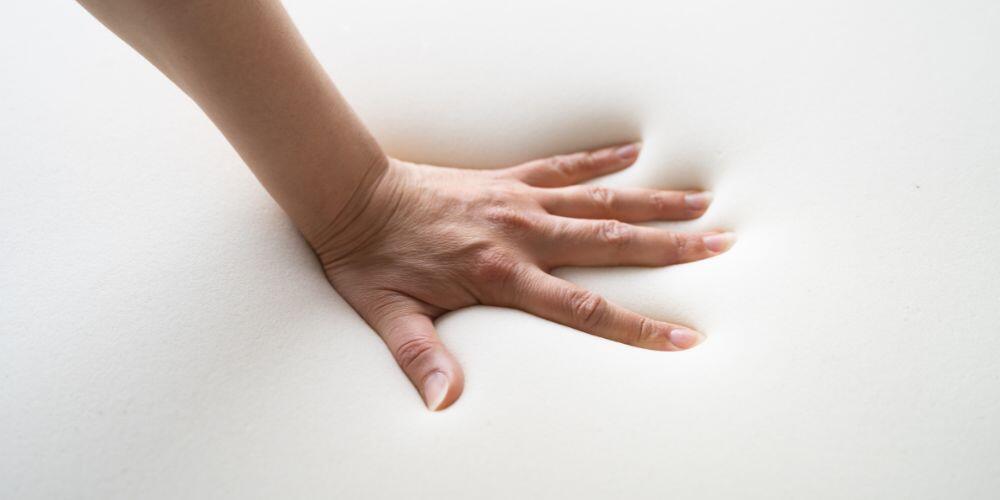
Memory foam soaks up liquid and dries slowly, so use as little water as possible.
A latex mattress needs the gentlest treatment of mild soap, minimal water, and no heat at any stage.
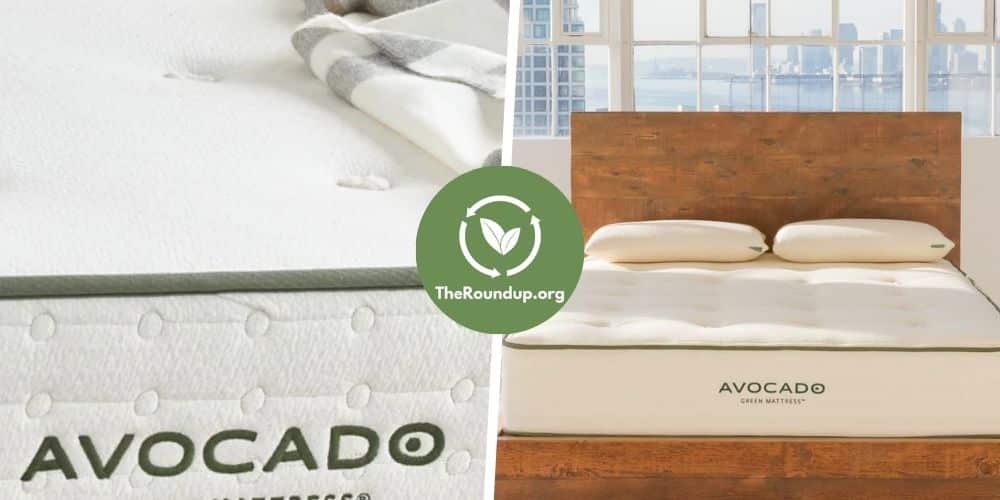
Many organic latex mattress brands require that you keep the mattress clean as a condition of their warranty. Avocado, for example, states that the warranty does not cover "failure to keep the mattress clean and free of stains and potentially unsanitary conditions."
A traditional innerspring mattress has a thin padded layer over its coils, and that surface tolerates the dampest clean of the four types.
A hybrid mattress has a foam or latex comfort layer over steel coils.
A deep clean lifts general grime from any of these materials, but some tougher stains need a different treatment depending on their cause.
To remove stains from a mattress, blot up as much as you can while the stain is fresh, then treat whatever remains with a cleaner matched to the cause. Use cold water throughout, because too much heat makes protein-based stains such as blood and sweat permanent.
The table below shows the most effective treatment for 7 common varieties of tough stains.
| Stain | How to treat it |
|---|---|
| Sweat and yellowing | Dab with dish soap in cold water. Follow our guide to removing sweat stains to treat set-in yellowing. |
| Blood stains | Blot with cold water, then dab with hydrogen peroxide. |
| Urine stains | Blot dry, then work in an enzyme cleaner. Our guide to treating urine stains on a mattress covers the full method. |
| Pet stains | Lift the mess, then treat the spot with an enzyme cleaner. |
| Food, drink, or other spills | Blot up the liquid, then dab with dish soap in cold water. |
| Brown stains, cause unknown | Identify the cause before treating. Our guide to brown mattress stains covers the likely causes. |
| Mold spots | Check how far the mold has spread before cleaning. Our guide to mattress mold explains how to remove it. |
Tackling stains can be tricky, and prevention is better than cure. The best option is to protect your mattress and prevent stains from happening in the first place.
Yes, you should use a mattress protector to prevent sweat, spills, and allergens from reaching the mattress.
An unprotected mattress absorbs sweat and spills that can soak through into the core. Mattress protectors prevent liquids from reaching your mattress surface.
Mattress protectors also help prevent house dust mite allergens from building up in a mattress over time. One trial found lower allergen levels under impermeable covers but no clear change in symptoms (Terreehorst et al., 2003). A protector lowers allergen levels, but does not cure an allergy.
The best eco-friendly mattress protectors are either waterproof or breathable. Waterproof protectors contain a thin waterproof film that blocks liquid but traps body heat, which matters if you sleep hot. A tightly woven cover keeps mites out of the fabric itself, which a non-woven cover does not (Mahakittikun et al., 2003). Pick the waterproof type for maximum spill protection and the woven type for better airflow.
A waterproof mattress protector stops new moisture getting in. Water already in the mattress, from cleaning or a soaked-through spill, still has to dry out to prevent mold.
To dry a mattress, move air across both surfaces until no damp is left. Mold can grow wherever a mattress is wet.
The following habits help keep a mattress dry between cleans.
If a musty smell or a dark patch stays after the mattress has dried, mold may already have taken hold. Our guide to mold in a mattress covers the symptoms and how to treat it.
Drying and airing are two parts of keeping a mattress in shape. Turning it and checking its support are the rest.
To maintain a mattress between cleans, rotate it regularly and keep the support under it sound.
These simple steps help you keep your mattress in good condition between deep cleans.
Rotation and firm support keep a mattress even for years.
The supplies needed to clean a mattress are everyday household items.
This kit handles a routine clean and helps treat the most common stains.
The best thing to clean your mattress with is a cleaning solution made from mild dish soap and cold water, which handles everyday marks without soaking the material.
Baking soda is the best choice for a stubborn smell. Enzyme cleaners are best for stains from sweat or urine, where soap cannot break down the residue.
Avoid bleach and other harsh chemicals, which can damage the foam and fabric.
To remove odors from a mattress, sprinkle a thick, even layer of baking soda over the whole surface, leave it for several hours, then vacuum it off.
Baking soda pulls out the sweat and body oils that make a mattress smell. Wash the bedding and open a window while the soda is working.
If the smell was caused by a spill or urine, treat that stain directly. If you have a stubborn odor that keeps returning, it may come from mold or moisture deeper in the mattress.
White vinegar neutralizes odors and lifts light stains on a mattress. Its mild acid breaks down the alkaline salts left by dried sweat and urine, which are what cause the smell.
Mix equal parts white vinegar and cold water, dab it on the stained area with a cloth, then blot the area dry.
Never pour vinegar straight onto the mattress, because it can cause very sour odors to grow and the trapped moisture can grow mold. Vinegar does not disinfect the mattress or remove a set-in stain.
To sanitize your mattress without washing it, vacuum the mattress, air it in sunlight, and mist it with a fabric-safe disinfectant. None of these techniques soak the material.
Vacuuming lifts out dust mites and dead skin, and a few hours of sun and dry air reduce the mites left behind.
A disinfectant made for fabric kills the germs on the surface. Let the disinfectant dry fully before you remake the bed.
If you never clean a mattress, it fills with dead skin, sweat, dust mites, and their allergens.
Dust mites feed on the shed skin, and their droppings build up over months. Dust mite droppings can trigger allergy and asthma symptoms in people who are sensitive to them (Miller, 2018).
None of this damages the mattress, but the bed grows less hygienic and harder to clean the longer it is left dirty.
You can steam clean a traditional innerspring mattress, but not memory foam, latex, or a hybrid.
Steam brings heat and moisture, which damage foam and latex. A hybrid has a foam comfort layer, so the same caution applies to it.
On an innerspring, use the lowest moisture setting and let the mattress air until it is fully dry.