TheRoundup is reader-supported. We may earn a commission when you make a purchase via links on this site, at no cost to you.
All products are reviewed in accordance with our Review Methodology.
In an effort to be more environmentally conscious, many people are moving away from traditional cotton and seeking sustainable alternatives.
Organic cotton is one of the best options, but the price can be prohibitive for many (as I know only too well with two daughters who grow out of their clothes at an incredible rate!).
Some manufacturers are marketing polyester as an eco-friendly option. But is that really the case?
Is polyester better for the environment? Does it make comfortable clothing and bedding? Is polyester toxic?
In this article, I’ll take a look at whether polyester is toxic and what eco-friendly alternatives are available.
I’ll combine my years of parent shopping experiences and eco-friendly knowledge to point you toward non-toxic fabrics that don’t cost a fortune.
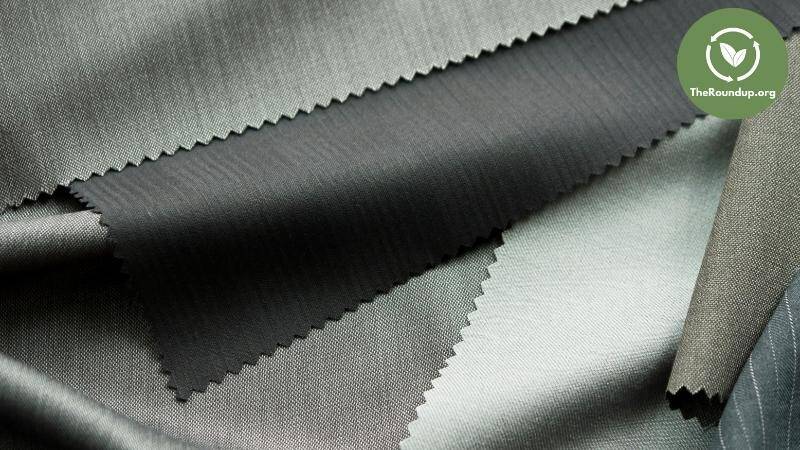
Polyester (polyethylene terephthalate) is a synthetic material made from petroleum. It was first invented in the 1940s and is now everywhere (especially in the world of fast fashion).
It’s strong, durable, and wrinkle-resistant, making it popular in the clothing industry.
So popular that it accounts for around 50% of the entire fiber market and 80% of the synthetic fiber market.
To make polyester fabric, petroleum is refined and combined with chemicals and water to create a polymer resin substance. This resin is processed into polyester fibers that are used in fabric production.
But while polyester textiles may be convenient for manufacturers and consumers, they’re not so great for the environment.
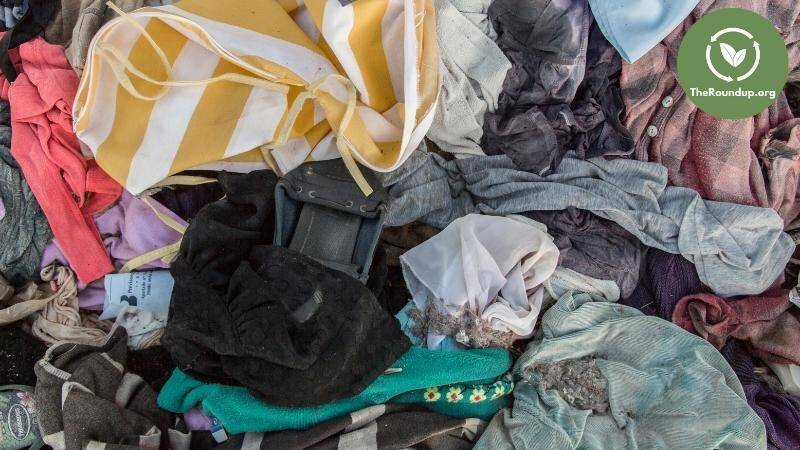
Polyester production is energy intensive and emits harmful pollutants into the air.
It can take up to 200 years for polyester to biodegrade, so it not only pollutes during its manufacturing process but also sits in landfill, leaching chemicals into the earth for a long time.
But the environmental impact doesn’t stop there.
When polyester is washed, it sheds microfibers that contribute to even more plastic pollution in our oceans. These tiny fibers are so small that they often pass through water filtration systems and pollute our drinking water.
But what about its impact on our health?
The chemicals used in its production can harm our health and the environment.
Polyester is often also treated with chemicals to make it fire-resistant or easy to iron.
It also doesn’t allow your skin to breathe. This can lead to discomfort and skin irritation, especially in hot weather.
Some of the many toxic chemicals embedded in polyester include:
Researchers found that polyester and other synthetic fabrics can reduce sperm count in men.
When worn next to the skin, these synthetic fabrics trap heat and create a warmer environment for the testicles.
This can lower sperm production and even lead to infertility.
Coming into contact with polyester can also impact our immune system.
The fabric can trap sweat and bacteria against the skin, leading to irritation and infection.
And because it doesn’t allow the skin to breathe, it can also lead to inflammation. Chronic inflammation has been linked to various health issues, including arthritis and heart disease.
Also, some people are simply allergic to polyester. This can make the skin-damaging symptoms even worse.
The relentless drive by fast fashion brands to reduce the cost of fabrics such as polyester can lead to corners being cut.
Workers in polyester manufacturing facilities often suffer from poor working conditions and exposure to toxic chemicals without proper safety equipment.
These poor working conditions often only come to light after disasters, such as the collapse of the Rana Plaza.
Look out for the Fairtrade logo to ensure that your polyester (and another other fabric, for that matter) has not been produced by exploiting a vulnerable workforce.
So what are some eco-friendly and non-toxic alternatives to polyester and other synthetic materials?
Here are a few options to consider:
While sustainable fabrics may be more expensive than synthetic materials, they’re often worth the investment for environmental and health reasons.
Recycled polyester is often touted as a sustainable alternative to traditional polyester, but are its eco-credentials all they’re cracked up to be?
Recycled polyester is created by breaking down old polyester fabrics (and also PET plastic bottles) and then reforming them into new fibers.
While recycled polyester does have some environmental benefits (it doesn’t use additional petroleum, helps reduce plastic waste, and is less energy intensive than virgin polyester), it also has some drawbacks:
When it comes to our bedrooms, where we spend around a third of our lives, it’s best to opt for sustainable and non-toxic fabrics.
Do you want to take the chance that you’ll be inhaling antimony and formaldehyde while you toss and turn in your sleep?
It’s not just your immediate health you should be worried about, either.
Polyester bedding is not temperature regulating, so you’re more likely to have a bad night’s sleep caused by overheating.
Environmentally friendly bedding made from natural and breathable fabrics helps keep the toxic chemicals out of your bed. It also boosts the quality of your sleep by keeping you at the perfect temperature all night.
If you want to take your sustainable slumber to the next level and you have the budget to afford it, you might want to consider investing in a non-toxic foam mattress to go with your sustainable bedding.
Nylon and polyester are both popular synthetic fibers. Generally speaking, nylon tends to be stronger and more abrasion-resistant, while polyester is typically more chemical and UV resistant.
Both nylon and polyester fabrics can have varying levels of durability, depending on the manufacturer and construction of the garment or accessory.
While it’s true that polyester can be recycled and made into new products, there are currently limited options for recycling polyester garments (you can’t just toss them in your curbside recycling bin).
It’s, therefore, essential to take care of them and extend their lifespan as much as possible before considering recycling or donating to a worthy cause.
No, rayon is not a type of polyester fabric. It’s a semi-synthetic viscose fabric made from cellulose (typically derived from wood pulp). However, it can be mixed with polyester to create blended fabrics.
This will vary depending on the exact fabric and construction, but generally speaking, the more cotton in the blend, the more breathable the fabric.
When it comes to polyester, the verdict is clear. It’s best to be on the safe side and steer clear of this potentially toxic fabric wherever possible.
Polyester fabric may be a cheap and durable option for clothing and accessories, but it has many adverse health and environmental consequences.
Choose healthier and more sustainable clothing alternatives containing natural fibers like organic cotton, bamboo, linen, or hemp instead.
Doing so will eventually help sustainable fashion win the war against fast fashion.
It’s not just clothing, either.
Consider also investing in eco-friendly bedding and mattresses for a truly non-toxic sleep experience.
Your health and the health of your family are worth the investment.
Do you avoid potentially toxic polyester fabrics? Or are you happy using synthetic materials for clothing and bedding? Or do you favor natural fibers and natural fabrics? Drop me a line and let me know.