TheRoundup is reader-supported. We may earn a commission when you make a purchase via links on this site, at no cost to you.
All products are reviewed in accordance with our Review Methodology.
Are you looking to boost your sustainable gardening practices? If so, then this article is for you!
Mrs. M and I love getting our hands dirty in the garden, but are always staggered by the amount of plastic we encounter.
When you recycle plant pots, it might seem like a tiny step in the bigger environmental protection picture, but rest assured…it can add up to a huge difference!
By recycling your plant pots from season to season, you're reducing your carbon footprint while displaying an eco-friendly attitude that's sure to get noticed by (and inspire) fellow gardeners.
Read on to learn how recycling your plant pots can benefit Mother Nature and your wallet!
Plant pots can be harmful to the environment.
Plastic plant pots can take up to 500 years to decompose, and when not appropriately recycled, they create toxic landfill sites.
Terracotta, cement, and ceramic pots are also unsustainable as they're heavy (so fuel-hungry to ship worldwide) and require a lot of energy and resources to produce.
Cement, in particular, is an environmentally disastrous substance.
According to the Guardian, "if the cement industry were a country, it would be the third largest carbon dioxide emitter in the world with up to 2.8bn tonnes, surpassed only by China and the US."

Some recycling centers will accept plastic pots, and some won't (plastic recycling isn't usually profitable for them). For example, most black plastic pots are not recyclable (except by a handful of specialist facilities).
It varies from state to state, so contact your local service to check before tossing plastic pots into your curbside recycling bin.
It helps to know what plastic your plant pot is made from to help you decide how best you can recycle it. Checking for a recycling symbol (usually on the bottom) is an excellent place to start.
When recycling your plastic pots, ensure they're clean of soil and other contaminants. The cleaner your pots are when you send them for recycling, the less likely they are to be refused by the recycler and tossed into landfill.
Don't despair if your local center does not recycle plastic plant pots. Some other companies in the US and Canada will take them off your hands and dispose of them responsibly for you.
In 2009, Home Depot launched Plant It Again, a comprehensive recycling program for plastic plant containers.
You can take your empty plastic pots to be reused and refilled at any Home Depot Garden Center nationwide.
If they can't be reused, East Jordan Plastics reworks them into new products such as trays or hanging baskets.
An impressive 15 million pounds of plastic is recycled annually through this scheme. That's the equivalent of around 1,000 semi-trucks full of pots saved from landfill.
Lowe's goes above and beyond in its commitment to sustainability by offering recycling services for many unexpected items, such as plastic pots, lightbulbs, plastic bags, batteries, and phones.
Simply visit your local store and pop your items in the appropriate recycling bins or bags. If you can't see the right bin or bag for your item, ask a staff member.
Loblaw introduced the used pots and flats collection service in its garden centers over ten years ago.
This has resulted in 3.60 million kilograms of plastic being repurposed or recycled.
Unfortunately, terracotta, ceramic, and cement plant pots are not recyclable, but you can reuse them.
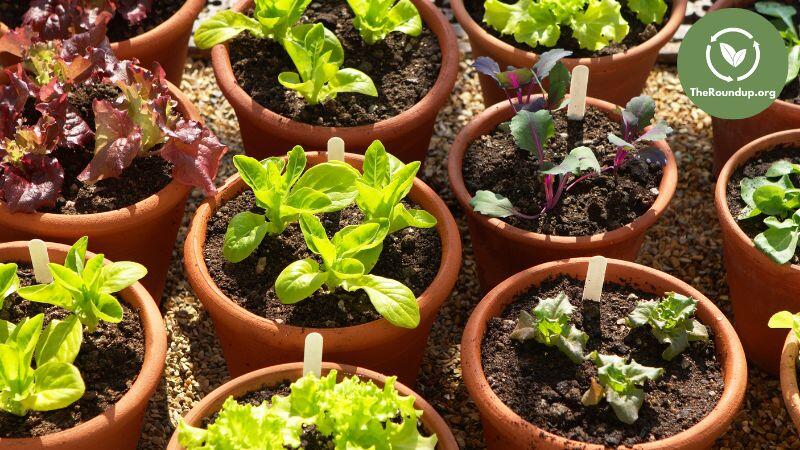
If your unwanted stone and plastic plant pots are not recyclable, don't just toss them in the trash.
Get creative and find new uses for them.
This first tip is also the most obvious, but I feel it's worth mentioning.
Don't discard your old plant pots willy-nilly. Keep a stash of them in your shed for planting new plants or when taking cuttings, etc.
Create a planter garden in a large old pot.
Plant colorful flowers to brighten up the space and attract pollinators.
Turn a large terracotta, ceramic, or cement pot into an outdoor fire pit.
This is a great way to reduce waste and save on energy costs while creating a cozy atmosphere outdoors.
Be careful around the open fire and don't move or touch the hot pot.
Use small pots as candle holders.
Decorate with ribbons and festive decorations for special occasions such as weddings or birthdays.
Put together a mini garden in tiny containers.
Line the sides of walkways or use them as centerpieces on coffee tables for visual appeal.
Use terracotta, ceramic, or cement pots as stepping stones in your backyard or garden path.
Also, be sure to use chemical-free weedkillers on your lawn to avoid discoloring your new steppers.
Hang colorful strings of beads, bells, and other decorations from the top of each pot for musical notes whenever the breeze blows past them.
Transform large plant pots into bird baths by adding water and pebbles.
Then sit back and watch local birds flock to these refreshing oases during hot summer days.
Repurpose empty pots into creative storage containers.
Store coins, jewelry, stationery items, or other trinkets that need organizing.
Express your personality and turn old plant pots into unique hanging planters.
Decorate with ribbons, bows, and other creative touches.
Don't just throw away old plant pots.
Find your local garden center, charity shop, or friend and donate your old pots to those who need them for their gardening projects.
Add solar-powered tea lights or colorful string lights for a DIY lamp.
Plant your favorite herbs in large or small pots and place them on windowsills for easy access when cooking.
Fill large plant pots with ice and drinks for guests to enjoy during backyard cookouts or parties.
Make plant pot piñatas for children's birthdays or special occasions.
Hang them from trees and fill them with old, shredded fibers.
Refashion sizeable plastic plant pots into compost bins
Drill holes around each side of the container to let air flow through while storing biodegradable materials that can easily be broken down in the soil.
Paint old pots to become art pieces.
Let your creativity soar by painting vibrant designs onto each pot and displaying them around the home for natural décor!
With a few large heat-resistant plant pots and some creative thinking, you can construct a mini grill or smoker to cook your favorite dishes outdoors.
Just be sure to get them a good cleaning beforehand and cover the holes with metal mesh, so no embers escape during cooking.
Repurpose small, sturdy plastic pots into coat racks by attaching them to a wooden frame.
Hang lightweight items such as jackets, hats, or scarves on their own designated pot.
You can dig pieces of broken plant pots into the soil around plants to help improve drainage.
They also deter pets and garden pests from digging around your plants (the sharp edges will soon stop them in their tracks).
In winter, place pots over young plants and shrubs to protect them from frost damage.
The pot will act like a thermal barrier and help to keep your plants safe during the cold months.
Black plant pots are perfect for storing daytime heat and resisting frost at night.
Biodegradable plant pots are made from natural and sustainable ingredients like coconut fibers or jute.
They offer all the benefits of traditional pots but are entirely biodegradable and don't contribute to land pollution or plastic waste.
Biodegradable plant pots are a great way of maintaining a green lifestyle without compromising the quality of your garden supplies.
My absolute favorite biodegradable plant pot is the CowPot. A genius plant pot made from cow manure. I promise they're odorless and not as gross as it sounds!
Biodegradable plant pots can be expensive.
For those looking for more budget-friendly plant pots, recycled plastic options are a great way to go.
They're designed with sustainability in mind, meaning the production process uses significantly fewer resources than plant pots made with new virgin plastic.
Recycled plastic plant pots come in various colors, shapes, and sizes, so you're sure to find one to suit your gardening needs.
The drop-off services mentioned in this article (Home Depot, Lowe's, and Loblaw) will accept tags along with pots.
You can't recycle black plastic pots because they can't be detected by the near-infrared scanners, which are used to identify and sort materials in the recycling process.
When it comes to caring for our planet, planting trees, plants, and flowers for future generations is a great place to start.
However, we must be mindful of the plastic waste associated with the gardening industry.
Fortunately, there are now plenty of ways to reduce the number of plastic pots and trays that end up in landfills.
Whether you choose to recycle plant pots, repurpose them, or invest in biodegradable options is a personal choice.
The important thing is to take action and do your part for the planet by reducing your overall plastic consumption where possible.
Happy gardening!
Do your local curbside recycling programs accept plastic plant pots along with standard plastic containers and plastic bags? Or do you have to return them to a big box retailer?
Have you ever successfully recycled a black plastic pot? Do you have any killer repurposing hacks for reducing plastic waste? Drop me a line and let me know.