TheRoundup is reader-supported. We may earn a commission when you make a purchase via links on this site, at no cost to you.
All products are reviewed in accordance with our Review Methodology.
Are you an eco-conscious sleeper looking for a good night’s rest and peace of mind knowing that your mattress is protected?
Knowing how to choose a mattress protector that offers the right level of protection for your needs is essential.
Having dedicated years of my life to testing sleep products, I’m here to make your search easier and lead you in the right direction.
This guide explains everything you need to know about mattress protectors that will keep your mattress in tip-top shape.
The main factors to consider when choosing a mattress protector are the level of protection you need, the material it is made from, and how well it fits.
The following checklist will help you choose the perfect eco-friendly mattress protector for your needs.
With a mattress protector, you’re essentially buying added protection for your mattress.
Many of today’s more advanced protectors offer the following benefits:
Ensure you pay attention to the manufacturer’s description when selecting your mattress protector, as this will indicate the level of protection offered.
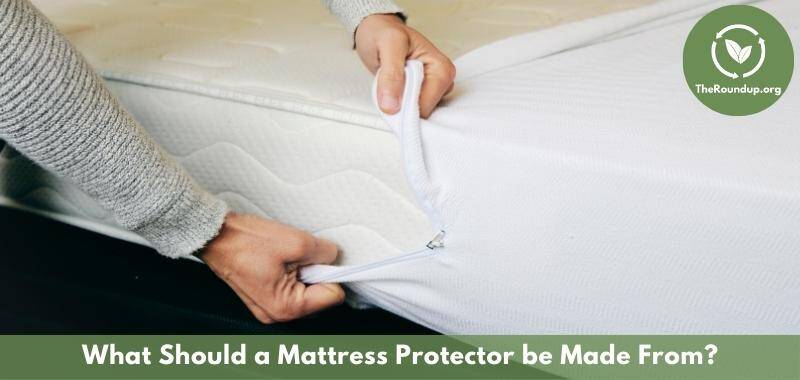
Another critical consideration is material, as this will determine how your mattress protector looks and its performance and comfort.
Some materials are more breathable than others and offer greater nighttime comfort due to their ability to allow air to circulate the mattress.
Sustainable fabrics like organic cotton and bamboo offer superior breathability, while polyester is less breathable and eco-friendly but a more affordable option.
For more information see the best material for a mattress protector article.
Many mattress protectors achieve their waterproof layer using Vinyl or Polyurethane that, according to EWG, “can damage developing reproductive systems.”
Look for vinyl-free options to avoid any potential issues with toxic plastic in your mattress protector.
The fit of your mattress protector is also crucial, particularly when it comes to waterproofing.
Take time to measure the size of your mattress before you purchase it to ensure that you’re buying one that will fit correctly and cover your entire mattress.
Mattress protectors are widely available in the standard U.S. mattress sizes:
You also want to pay attention to the durability and maintenance of the mattress protector.
Ensure it’s soft yet strong enough to handle regular machine washing.
Look for a mattress protector that comes with a decent warranty.
Making sure the one you choose offers at least a couple of years’ guarantee is recommended.
This will give you peace of mind knowing that any defects or problems should be covered by the manufacturer should they arise.
Mattress protectors often come with a trial period, so ensure you look for one that offers this.
If you’re not 100% satisfied with the product, you can return it and get a refund (often minus shipping costs).
Sleep trials usually vary between 30 and 365 nights.
The cost of the mattress protector also needs to be taken into consideration. Most mattress protectors are priced between $30-$200.
Is the cheapest option really the best way to go if it contains toxic chemicals and will have to be replaced in six months due to excessive wear and tear?
Sustainable products are often more expensive to buy. However, they usually last much longer and don’t pollute indoor air with VOCs.
Not all mattress protectors offer the same level of protection. My advice would be to stretch your budget as far as possible to get the best quality mattress protector you can.
There are three types of mattress protectors most commonly available.
Encasement mattress protectors are a great choice if you seek extra protection against dust mites, bed bugs, and allergens.
They offer a waterproofing layer and cover the entire mattress (including the sides, top, and bottom).
Fitted mattress protectors are like a fitted sheet for your mattress.
They provide water protection and have an elastic band that wraps around the bottom of the mattress to ensure a secure fit.
Elastic strap mattress protectors are similar to fitted ones, but they’re more lightweight and feature straps that attach to the corners of your mattress.
Many mattress warranties state that your mattress needs to be clean and free of spills and stains if you’re to successfully make a claim for any defects that occur.
This means a mattress cover is essential, as it helps to protect your investment against any damage.
Other things that might void your mattress warranty include:
Organic mattress protectors last 5-7 years, but this may vary depending on the quality and how often it’s washed.
It all boils down to what you need. Toppers are placed on top of the mattress for extra cushioning and support, while a mattress pad is generally thinner but still provides some added comfort.
For protection from spills or nighttime accidents, you might opt for a thin (typically waterproof) mattress protector instead.
Lastly, if your main goal is safeguarding against dust mites and allergens, an encasement that fits around the entire surface of your bed would be ideal.
Yes, mattress protectors can make a difference in protecting your mattress against spills and stains. In addition, they can also help to preserve the warranty on your mattress.
Finally, by using a mattress protector, you can prolong the lifespan of your mattress and keep it feeling and looking new for longer.
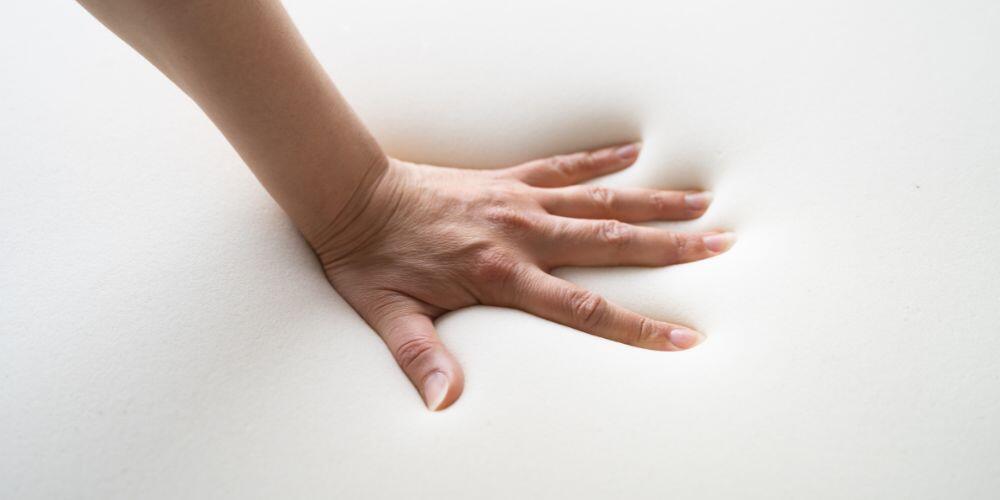
A memory foam topper is not a suitable replacement for a mattress protector if you want to protect yourself from spills and bed-wetting accidents. The liquid will soak into memory foam and ruin it.
Waterproof protectors are essential for any bed.
Not only does it guard against spills, dust mites, and bed bugs, but it can also help preserve the warranty on your mattress and prolong its life.
When choosing a protector, look for one that’s waterproof (if you need protection from liquids), breathable, and made from non-toxic and (ideally) organic materials.
Choosing the best mattress protector is a personal decision.
Consider your budget and lifestyle to find one that fits your needs while still offering adequate protection.
Do you use a waterproof protector on your mattress? Or do you prefer the comfort of a memory foam mattress topper? Have you tried both at the same time?
Do you swear by waterproof mattress protectors? Or does the potential plastic/vinyl content put you off? Drop me a line and let me know.