TheRoundup is reader-supported. We may earn a commission when you make a purchase via links on this site, at no cost to you.
All products are reviewed in accordance with our Review Methodology.
Quality mattresses are essential for good health, but most mattresses on the market rely on chemical adhesives to hold their layers together.
The EPA identifies urea-formaldehyde adhesives as major indoor air pollutants that cause respiratory irritation, fatigue, skin rashes, and severe allergic reactions.
Conventional mattresses also develop sagging, lumps, and uneven surfaces over time as their layers shift and separate. This leaves you with uncomfortable surfaces that hurt your back and disrupt your rest.
Tufted mattresses use mechanical fastening instead of chemical glues. The ancient technique of hand tufting deeply stitches all layers together with roping. This creates mattresses that maintain their shape for decades while eliminating harmful off-gassing.
This article explains exactly what tufting is, how it works, and why these mattresses consistently outperform conventional options for durability, support, and health.
Mattress tufting is a traditional construction method that secures layers of filling materials within a mattress.
The tufting process involves passing heavy-duty straps through all mattress layers at regular intervals and securing them with buttons or wool pom-poms.
This video demonstrates how the process works.
Tufted mattresses and mattress toppers outperform conventional options through extended lifespan, superior support, healthier construction, and improved motion isolation.
Tufted mattresses can last 20-25 years compared to 8-10 years for non-tufted mattresses because the deep stitching prevents internal layer shifting.
Mattress tufting creates natural support zones that distribute weight evenly and prevent the sagging that reduces comfort and leads to back pain.
A tufted mattress is healthier to sleep on because the mechanical fastening method removes all chemical adhesives, preventing VOC exposure and improving air circulation.
The presence of tufting on a mattress is a sign of premium construction with high-grade materials rather than cheap foam layers that manufacturers glue together.
Tufted mattresses are an excellent choice for couples because they offer superior motion isolation and edge support. The yarn threading creates independent support zones that prevent sleep disruption between partners, with diamond patterns providing the best motion isolation.
The compressed construction reinforces mattress perimeters, which eliminates the feeling of rolling off and provides a more usable sleeping surface.
Now that you know what to look for, you're probably wondering which brands make quality tufted mattresses worth buying.
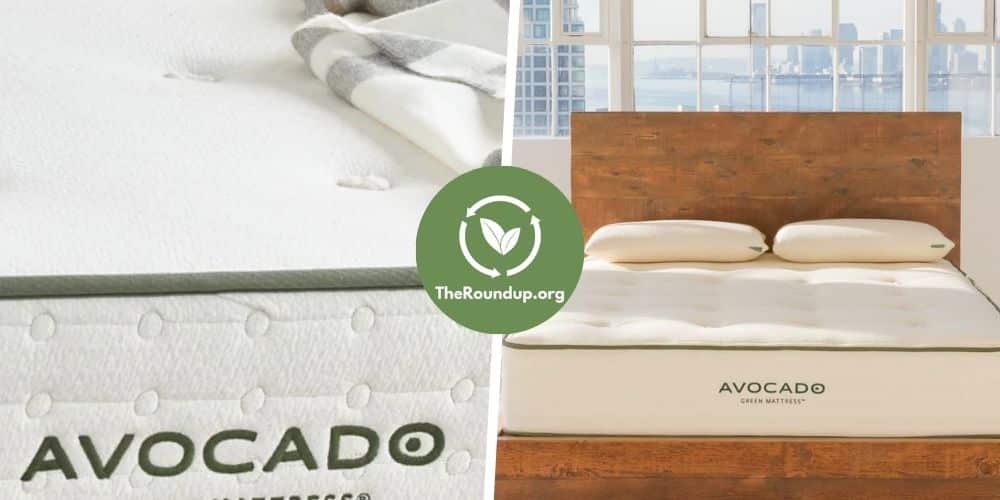
Some examples of hand-tufted mattresses are the Avocado Green Mattress, the Avocado Latex Mattress, My Green Mattress Natural Escape, and the Organica by Amerisleep.
Reviews and ratings of these and other eco-friendly options are available in our organic mattress guide.
However, knowing which brands offer tufting is just half the story. The type of tufting they use will determine whether you love or hate your mattress.
Six primary tufting styles exist for mattresses. They are button tufts for classic luxury, diamond tufts for comfort, biscuit tufts for contemporary looks, channel tufts for cooling, hand-folded for premium quality, and blind tufts for minimal aesthetics.
Button tufts create classic luxury mattress aesthetics by securing visible buttons or fabric-covered fasteners at each tuft point to form traditional dimpled patterns.
I love how button tufts can either blend with the fabric color or provide contrasting accents.
Diamond tufts form diamond-shaped sections across the mattress surface by pulling fabric tightly into three-dimensional pleated folds.
I find that diamond-style mattresses offer exceptional comfort because the deep pockets provide natural contouring.
Biscuit tufts (also called "bun" tufts) create square or rectangular patterns that distribute weight evenly and reduce pressure points during sleep.
The grid-like pattern offers a cleaner, more contemporary look while maintaining all the functional benefits.
I recommend biscuit tufts for anyone who wants durability without the traditional diamond aesthetic, and channel tufts if cooling is more of a priority.
Channel tufting uses V-shaped yarn patterns to create airflow channels that improve temperature control and material stability.
The improved breathability of this channel tufting makes it perfect for warm sleepers or humid climates.
Hand-folded tufts require skilled artisans to manually create each fold with consistent tension.
It's the most expensive style because of the manual expertise required, but the results are often spectacular.
Blind tufting provides structural benefits without visible buttons or hardware by using hidden stitches and knots to create smooth surfaces.
Once you start recognizing tufting patterns, you'll notice them popping up in surprising places around your home and beyond.

Tufts appears in numerous products beyond mattresses, including sofas and chairs, rugs and carpets, headboards, floor cushions, and automotive seating applications.
Tufts are used on sofas, armchairs, ottomans, and benches to secure padding materials while creating distinctive visual patterns.
Tufted furniture, such as sofa beds, usually lasts longer than non-tufted furniture.
Tufting creates rugs and carpets by inserting yarn loops through backing material to form pile surfaces.
The technique of handcrafted rugs dates back to ancient times, with the world's oldest example being the hand-knotted Pazyryk carpet from the 5th century BCE, according to Guinness World Records.
Headboard tufting converts basic bedroom furniture into sophisticated design elements while providing comfortable back support during reading or relaxing.
Many brands sell beautiful headboards that use strategic button placement and fabric manipulation.
Floor cushions and meditation accessories use deep stitching to maintain structural integrity and provide reliable support during prolonged use.
However, there are some long-lasting and high-quality floor cushions, such as the Brentwood Home Crystal Cove Square Floor Pillow and Avocado Organic Yoga Meditation Pillow, that don't use tufts.
Tufting is used in luxury car interiors, aircraft seating, and railway cars to secure padding materials and create that premium aesthetic we associate with high-end transportation.
All these non-mattress applications are interesting, but let's get practical - you've invested good money in a quality tufted mattress, so here's how to keep it in great shape for decades.
Tufted mattress maintenance requires specific techniques, including monthly cleaning routines, quarterly rotation, careful spill management, and avoiding practices that damage yarn construction or natural materials.
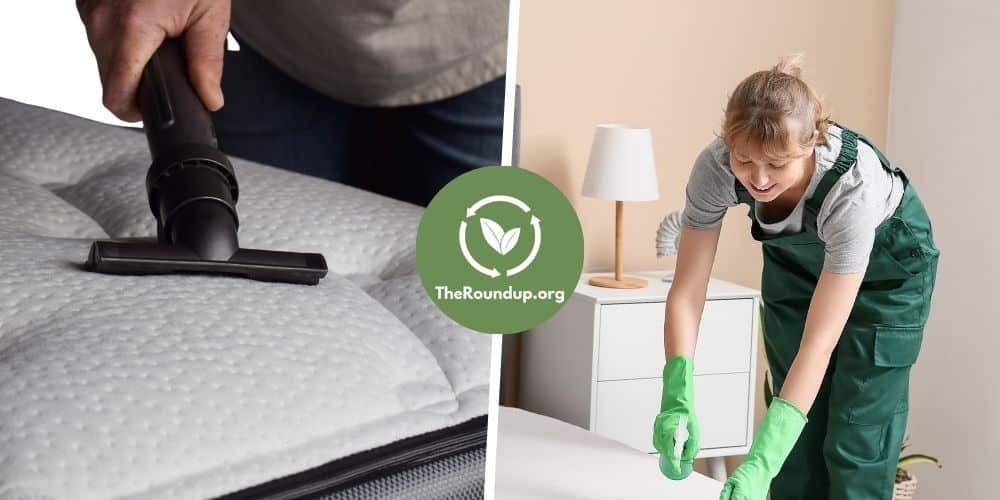
Monthly mattress cleaning involves thoroughly vacuuming with upholstery attachments, tuft inspection for damage, and allowing the mattress to breathe without bedding.
Monthly cleaning prevents daily wear, whereas quarterly maintenance addresses long-term durability.
Rotate your mattress 180 degrees every three months.
I mark my calendar because forgetting this step creates permanent wear patterns that destroy even the best mattress materials.
Regular maintenance prevents most problems, but accidents require immediate response.
Blot spills immediately using clean, dry cloths - never rub as this can loosen the yarn threading.
For stubborn stains, mix one part gentle detergent with ten parts water.
Use fans to make sure the mattress is completely dry before replacing bedding, as trapped moisture can damage mattress materials.
Proper accident response prevents damage, but some cleaning methods can cause irreversible harm.
Never use steam cleaning, excessive moisture, or harsh chemicals because heat and chemicals cause material shrinkage and will damage the construction of your mattress.
These guidelines cover practical care, but mattress buyers often have additional questions.
The potential drawbacks include some side sleepers finding them too firm, and the textured surface becoming noticeable and uncomfortable through thin sheets.
A hand-tufted mattress is a mattress that has had its tufts inserted by hand, not by machine. This age-old technique requires time, patience, and exceptional craftsmanship.
Hand-tufted mattresses are worth the extra cost because they last longer and provide superior comfort compared to standard alternatives. The higher upfront investment pays off through extended lifespan and better sleep quality.
The difference between tufting and a quilted mattress is that tufting goes through all mattress layers and secures at the top and bottom, while quilting only stitches the top fabric layer to the underlying padding.
The best tufted mattresses for under $1,000 include the My Green Mattress Kiwi Organic Mattress ($775 for a Twin) and the Avocado Eco Organic Mattress ($799 for a Twin).
The best mattress for side sleepers with back pain features diamond or biscuit patterns that distribute weight evenly and reduce pressure points.
We have a guide dedicated to mattresses for back pain if you want to know more.
Re-upholstering a tufted mattress is possible but complex and costly. The process requires dismantling all tufts and recreating the hand-tufted construction. It's only worthwhile for mattresses over $3,000 with an intact structure.
The difference between a tufted mattress and an innerspring mattress is that tufting is a construction method, while innerspring refers to the coil core material. You can have tufted innerspring mattresses that combine both features.
The difference between a tufted mattress and a memory foam mattress is that tufting is a construction method, while memory foam is a core material. You can have tufted memory foam mattresses that last 10-12 years compared to 6-8 years for non-tufted memory foam.
Materials used in tufted mattresses include wool roping or cotton yarn, innerspring coils or memory foam for the core, natural latex or wool for comfort layers, and organic cotton or bamboo for cover fabrics.
Read more about mattress materials in general in our Best Mattress Materials for Your Health guide.