TheRoundup is reader-supported. We may earn a commission when you make a purchase via links on this site, at no cost to you.
All products are reviewed in accordance with our Review Methodology.
Have you ever come across a tag on a shirt or a towel that says "OEKO-TEX Certified" and wondered what it means?
Despite the somewhat uninformative name, this is something you should care about. OEKO-TEX is a well-known and widely recognized chemical safety label in the textile and leather industries. Its purpose is to help you understand the origin of your product and its safety for use.
This guide explains exactly what OEKO-TEX® is, why it matters, and how it can make a difference in your shopping choices.

OEKO-TEX is a globally recognized independent certification standard, with physical offices in more than 70 countries.
Think of it as an environmental and toxic chemical safety seal for your clothes, bed sheets, and even baby toys.
Since its foundation in 1992, OEKO-TEX has been dedicated to ensuring that textiles are free from harmful substances.
Over 21,000 companies have had textile and leather products certified to date in 2026.
The OEKO-TEX certification system includes various levels, which require different criteria to be met.
Standard 100 by OEKO-TEX is the most commonly found label, and it can apply to any type of textile.
OEKO-TEX Standard 100 certification checks that everything in the finished product, from the fabric to the buttons, has been tested for harmful substances.
The video below explains how it works.
Requirements vary depending on the type of product being tested and its intended use.
The MADE IN GREEN label goes further by analyzing the entire supply chain. It includes everything covered by the Standard 100 label but also ensures the product is fully traceable and meets environmental and socially responsible standards.
There are also specialized textile certifications, including:
So, what does a product have to do to get this badge of honor? For the STANDARD 100 certification process, an item has to pass tests for up to 350 toxic chemicals like formaldehyde, azo dyes, and phthalates.
These tests are usually done in independent labs where products are pulled directly from retail shelves.
MADE IN GREEN takes it up a notch by also looking at the environmental and social aspects of production, like water usage and labor conditions.
Once the Oeko-Tex Association has issued a certificate to a brand or product, it remains valid for 12 months, after which it must be retested to ensure all criteria are still met. This ensures that manufacturers continue to meet all applicable safety requirements.
There are several good reasons why you might want to look for textile products that carry the OEKO-TEX® label. The most obvious benefits include:
Standard 100 by OEKO-TEX® focuses on the final product, not the manufacturing process. So, it won't tell you if the factory polluted a river while making a product, only that the item is safe for you to use.
Also, it doesn't cover the environmental impact of synthetic materials like polyester. If you want a more complete assessment of the company that made or sourced the product, you should look for MADE IN GREEN by OEKO-TEX® certification.
Look for the OEKO-TEX label on any of the following product categories.
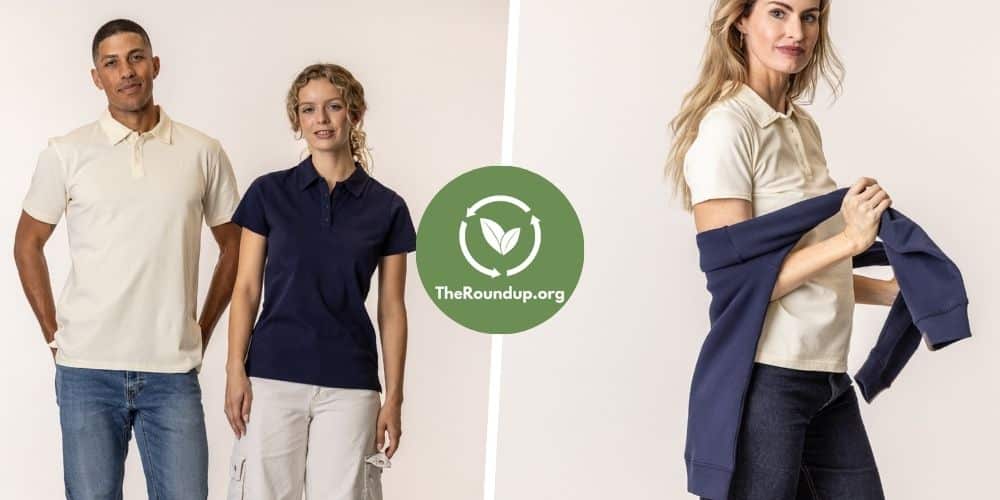
From jeans to tees, OEKO-TEX ensures you're not wearing a chemical cocktail. This is especially important if you have sensitive skin or allergies.
The absence of harmful dyes and chemicals in non-toxic clothing means less irritation and allergic reactions.
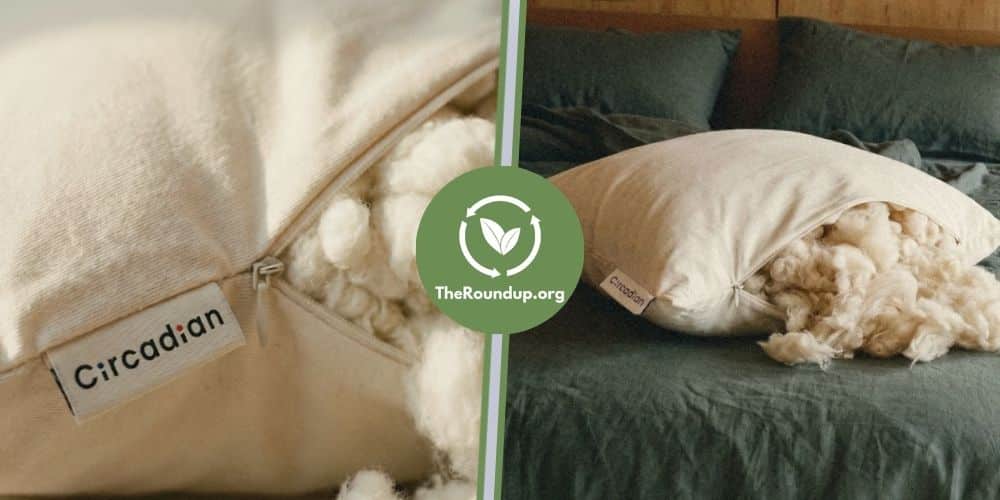
OEKO-TEX helps you sleep easily by ensuring home textiles are free from chemicals that could off-gas or irritate your skin during the night.
It can apply to products such as nontoxic bed sheets, curtains, and towels.
Babies have super-sensitive skin, and many parents want to ensure their children are not exposed to harmful chemicals when they are at their most vulnerable.
OEKO-TEX gives parents peace of mind that their organic baby clothing essentials, toys, and accessories are safe.
The certification requires even stricter criteria for baby products.
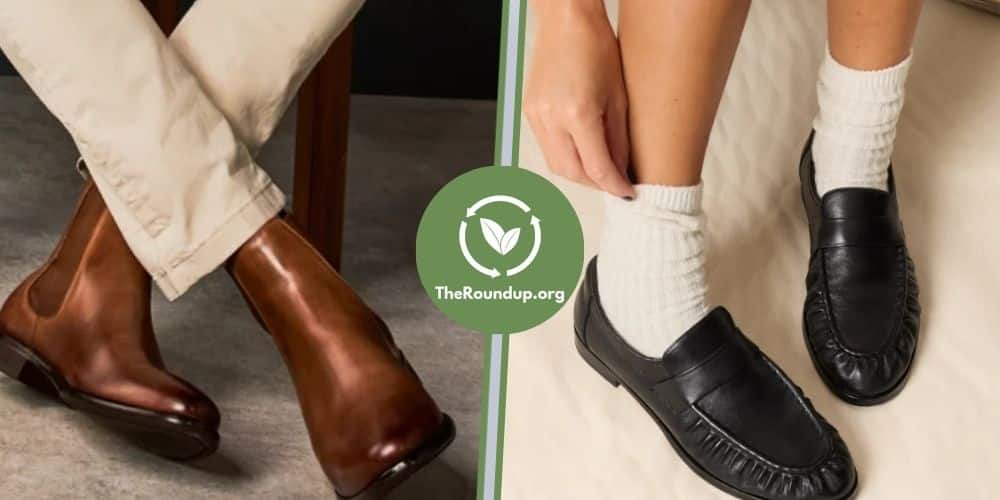
OEKO-TEX ensures leather goods are free from harmful substances like chromium VI compounds.
These are often used in the tanning process and can be harmful to both your skin and the environment.
Choose OEKO-TEX certified purses and bags for peace of mind that none of these substances were used in their production.
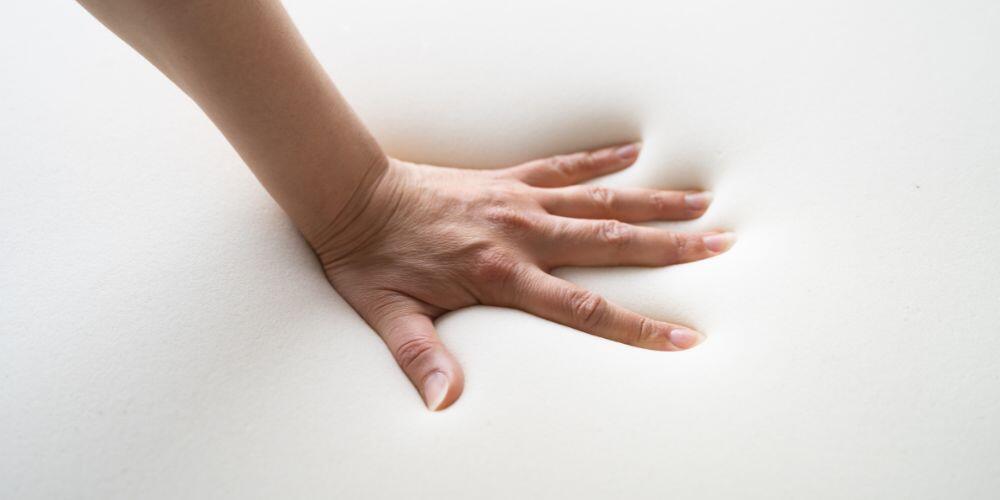
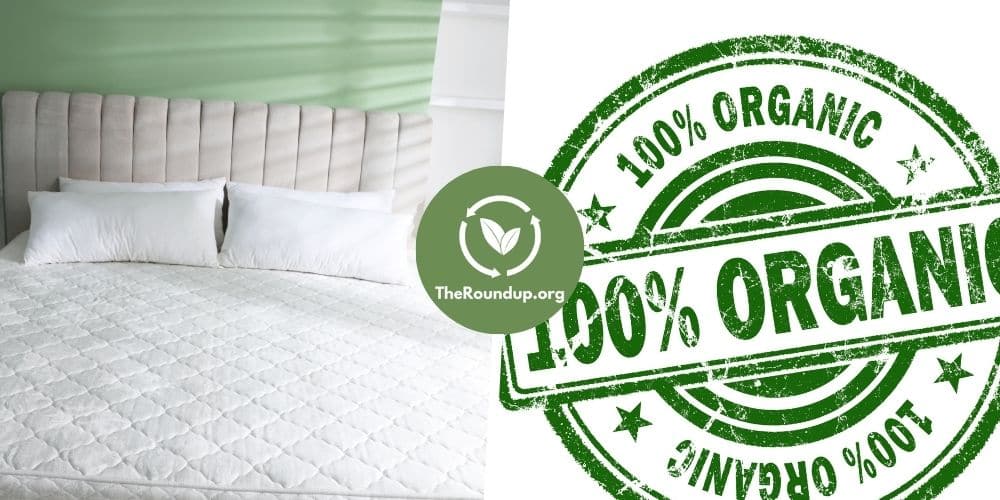
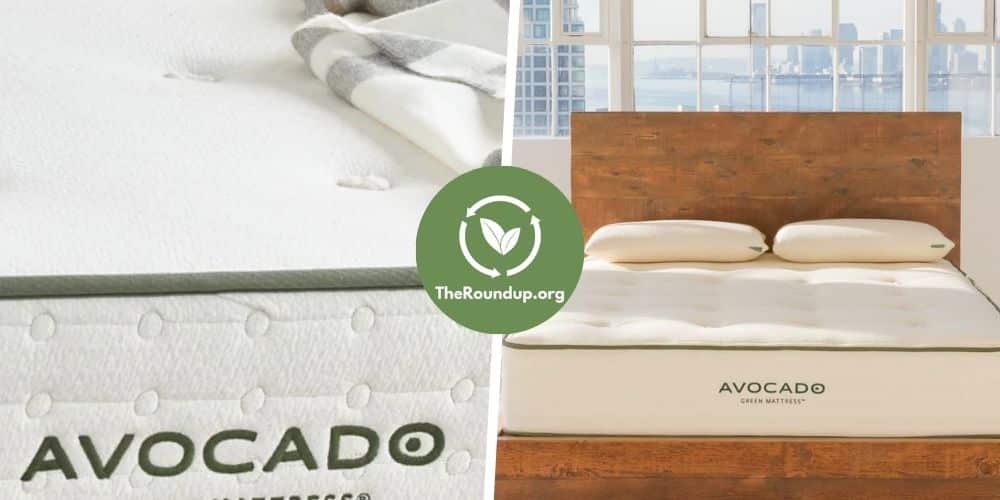
Some synthetic mattresses are sprayed with flame-retardant chemicals to pass fire safety regulations.
Look for OEKO-TEX-certified mattresses to confirm that they are free from harmful substances that can affect indoor air quality while you sleep.
Spotting an OEKO-TEX® Standard 100 certified product is easy. Just look for the symbol on the product label.
Alternatively, it can sometimes be found on the care tag inside clothing or on the packaging of home goods.
For OEKO-TEX® MADE IN GREEN certified products, there's also a unique product ID that you can trace online using the label check tool.
No system is perfect, and despite its advantages, there have been some suggestions that OEKO-TEX Standard 100 and Leather Standard lack thoroughness.
Critics like the Changing Markets Foundation have argued that there are gaps in the certification that need to be addressed, otherwise it can allow companies to appear more eco-friendly than they really are.
They point out that OEKO-TEX doesn't cover the environmental impact of the manufacturing process, which is true. However, this is more than adequately covered by MADE IN GREEN.
OEKO-TEX is transparent about what it does and does not test for. Although some of its labels have their limitations, in my opinion, to criticize them for that rather ignores the point and shows a lack of understanding of what they are actually designed to do.
Standard 100 should be regarded as a non-toxic certification, rather than an eco-friendly one.
When you choose a product that is certified by OEKO-TEX, you can be confident that it doesn't contain harmful levels of any of the 350 chemicals they test for.
That alone is well worth having in today's world of synthetic goods, and for that reason, this is a label I trust and look out for when buying and testing non-toxic products.
If you also want to know that your product is eco-friendly, you would need to look for further certifications such as MADE IN GREEN, GOTS, or GOLS.