TheRoundup is reader-supported. We may earn a commission when you make a purchase via links on this site, at no cost to you.
All products are reviewed in accordance with our Review Methodology.
The Global Organic Textile Standard (GOTS) certified label verifies that textiles are made from organic fibers and produced under environmentally and socially responsible conditions.
GOTS certification applies to a wide range of textile products, including clothing, bedding, towels, mattresses, personal care items, toys, and any product made from natural fibers such as organic cotton, wool, silk, and linen.
This guide explains what GOTS is, the criteria for certification, the benefits to the consumer, how GOTS compares to other eco-labels, and how to verify the authenticity of GOTS-certified products.

GOTS certification is the world's leading standard for textiles made from organic fibers.
The Global Organic Textile Standard covers the entire production process from field to finished product, ensuring textiles meet strict environmental and ethical requirements.
Established in 2006, GOTS has become the most widely recognised sustainability certification for organic textiles worldwide, operating across 89 countries, according to the latest GOTS annual report.
The certification tracks textiles through every production stage, including the following.
For consumers, the GOTS label provides assurance that textile products have been produced sustainably with minimal environmental impact and under fair working conditions.
This video explains more about the certification.
The standard is maintained by a non-profit organisation that regularly updates its criteria to reflect best practices in sustainability and ethical production.
GOTS certification requires textiles to be made from certified organic fibers through environmentally responsible and ethical manufacturing processes.
To achieve this certification, products must meet rigorous standards covering organic production, chemical use, environmental management, labour conditions, and accurate labelling.
GOTS-certified textiles must contain a specific percentage of organic fibers, depending on which label is used.
Products labeled simply as "made with organic" must contain at least 70% certified organic fibers, while those with the full "organic" label require a minimum of 95% certified organic content.
Organic farmers must grow these fibers according to organic agricultural practices defined by the International Federation of Organic Agriculture Movements (IFOAM), which prohibits:
As well as organic fiber content, GOTS also strictly regulates the chemicals used throughout the manufacturing process.
GOTS certification strictly controls the chemicals used throughout production, implementing what it calls a "No hazard in, no hazard out" policy.
The standard prohibits the categories of harmful substances listed below.
Manufacturers may only use colorants and processing chemicals specifically approved by GOTS during production.
These chemical controls work hand-in-hand with broader environmental management requirements that companies must implement
Companies seeking GOTS certification must demonstrate responsible environmental management throughout their operations.
This includes implementing these environmentally friendly practices.
These requirements aim to significantly reduce the environmental footprint of textile production, which has traditionally been a highly polluting industry.
While environmental protection is crucial, GOTS certification also addresses the human element of textile production through comprehensive social standards.
GOTS certification extends beyond environmental concerns to also cover the ethical treatment of workers.
Based on International Labour Organization (ILO) norms, manufacturers must follow these criteria.
These social criteria ensure that organic textiles are produced without the exploitation of workers at any stage of the supply chain.
GOTS-certified products must carry accurate labeling that clearly communicates their organic content and certification status to consumers.
This transparent labeling system allows you to make informed choices about the environmental and social impacts of your textile purchases.
Independent certification bodies verify that all products meet the required organic content thresholds of either 70% or 95%, depending on the label category.
Understanding these comprehensive requirements helps explain why GOTS-certified products offer distinct advantages to consumers.
Choosing GOTS-certified products offers several advantages to you as a consumer. It's a reliable indicator of a product's quality, safety, durability, and authenticity.
GOTS-certified textiles typically offer higher quality due to the strict standards governing raw materials and production processes.
The certification's requirements lead to well-crafted products that maintain their integrity over time, providing better value for money compared to conventionally produced alternatives.
This superior quality translates directly into enhanced comfort and safety for users.
The elimination of harsh chemicals and irritants in GOTS-certified products creates textiles that are gentler on the skin.
This makes these products particularly suitable for products such as these.
The combination of quality materials and safe processing also contributes to exceptional product longevity.
The rigorous manufacturing standards required by GOTS certification result in products with extended lifespans.
These durable textiles maintain their quality through repeated washing and regular use. They offer better long-term value because you don't need to replace them as often (if at all).
The GOTS certification helps you avoid greenwashing by confirming that products genuinely meet organic claims through third-party verification.
This independent assessment confirms that textiles comply with strict organic standards throughout the entire production chain, from field to finished product.
When you purchase GOTS-certified items, you can trust that they truly deliver on their organic and ethical commitments.
These benefits make GOTS certification highly valuable, but you should also consider some practical limitations before making your purchasing decision.
While GOTS certification represents a gold standard for sustainable textiles, consumers should be aware of potential limitations.
GOTS-certified products typically cost more than conventional alternatives.
The comprehensive certification process and strict standards throughout the textile supply chain add to production expenses, which manufacturers ultimately pass on to consumers.
This price premium can create a dilemma for shoppers who want to make sustainable choices but face budget constraints.
Many consumers find themselves weighing their environmental values against financial practicalities when considering GOTS-certified items.
The textile certification landscape can be difficult for shoppers to navigate.
GOTS exists alongside numerous other textile certifications like OEKO-TEX® and the Better Cotton Initiative, each with different focuses and standards.
This certification overlap often leaves consumers uncertain about the specific environmental or social benefits each label represents.
The resulting confusion can lead shoppers to make purchasing decisions based primarily on price rather than sustainability credentials, potentially undermining the purpose of certification systems.
To avoid confusion, you need to know how GOTS compares with other similar sustainability labels you might come across.
In the sustainable textile industry, GOTS is not the only eco-label that you might encounter. Three other notable standards are OEKO-TEX, the Better Cotton Initiative (BCI), and USDA Organic.
Here's how GOTS stacks up against these other labels.
GOTS and OEKO-TEX® serve different priorities in the textile industry.
GOTS certification focuses on organic production and ethical considerations throughout the entire manufacturing process. It covers both environmental sustainability and social responsibility, making it the choice for those concerned with the origin and impact of textiles.
OEKO-TEX® Standard 100 concentrates primarily on consumer safety by testing finished products for harmful substances. It checks whether an end product contains chemicals that might affect human health, rather than examining how or where its component materials were produced.
The fundamental difference lies in their scope: GOTS provides comprehensive coverage of both environmental and social criteria across the full production chain, while OEKO-TEX certification specifically verifies that textile products are free from harmful substances.
While both GOTS and Better Cotton Initiative (BCI) aim to improve ethical and environmental standards, GOTS takes a more stringent approach.
BCI allows the use of some pesticides and doesn't strictly regulate the dyeing process, whereas GOTS verifies that products are free from harmful chemicals throughout the entire supply chain.
USDA Organic is a certification primarily focused on food products but also covers materials like organic cotton.
While USDA Organic confirms that cotton was grown using organic farming methods without the use of synthetic pesticides, it doesn't cover other aspects of the textile industry, such as dyeing and labor conditions.
In contrast, GOTS provides a more comprehensive standard that encompasses both the environmental and social aspects of textile production.
Now that you understand how GOTS compares to other certifications, let's explore the specific types of products where this standard is most commonly used.
GOTS certification isn't limited to a single category of textile products. From your bedroom to your wardrobe, GOTS has a significant impact on various types of everyday products.
Here are some common organic products that often carry the GOTS label and why it matters.
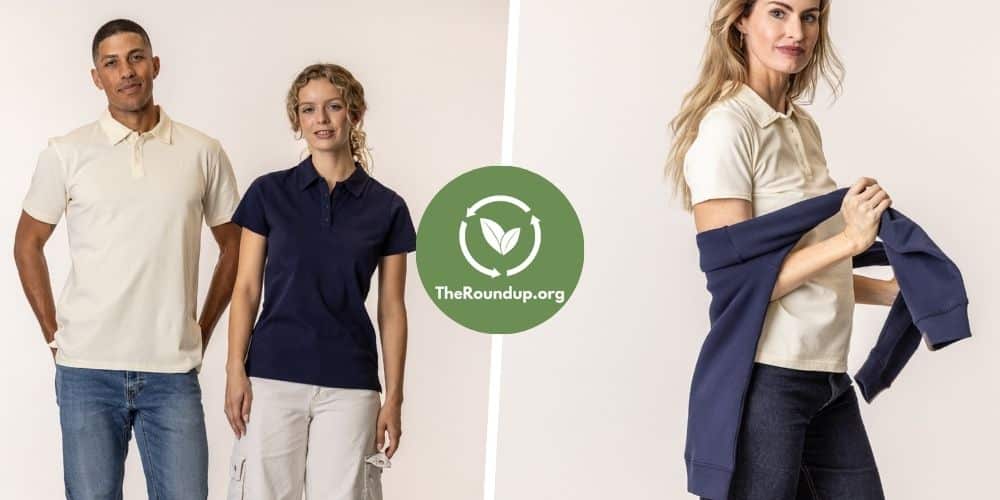
GOTS certification in clothing extends beyond just the use of organic materials.
The standard includes strict requirements for dyeing processes and requires that all garments are coloured using only approved substances. That means organic clothing brands cannot use any harmful chemicals that could damage the environment or irritate your skin.
The certification even covers the smallest details of clothing production. All components, from zips and buttons to threads, must meet the same rigorous environmental standards as the main fabric.
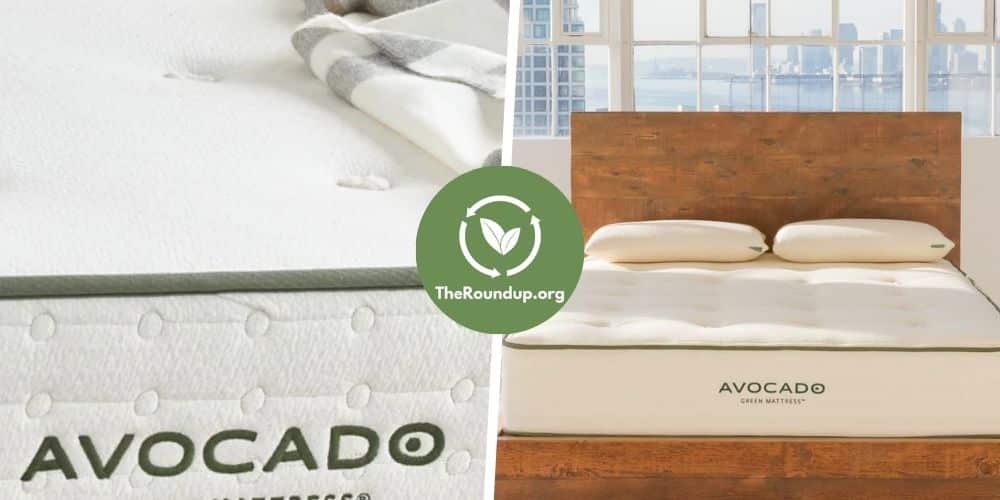
Eco-friendly and organic mattresses typically have GOTS-certified organic cotton covers. It creates a soft and breathable surface that allows air circulation while providing a gentle touch against the skin.
GOTS also certifies the wool that is frequently used as a natural flame barrier, where it replaces the chemical flame retardants that might otherwise be used in synthetic variants.
That's why GOTS-certified mattresses are a good solution for consumers concerned about chemical exposure during sleep.
GOTS certification can apply to several bedding materials, but not all fabrics qualify under its strict organic standards.
GOTS commonly certifies cotton and wool in organic bedding, and linen can also qualify when it meets the required organic criteria.
Hemp may achieve GOTS certification, but only when grown and processed according to the certification's rigorous environmental and social requirements.
Bamboo bedding typically does not meet GOTS standards. That's because the chemical processes that convert bamboo fabric into rayon conflict with the organic principles required for certification.
GOTS organic certification plays a vital role in baby products by confirming that materials are both safe and sustainably produced.
When parents see the GOTS label on baby clothing, blankets, or crib sheets, they have peace of mind that they contain fibers like cotton and wool that have been grown without harmful pesticides.
This is particularly important for babies, whose sensitive skin is more vulnerable to irritation from chemical residues.
In the context of towels, GOTS confirms that the cotton fibers meet high standards for organic content, reducing pesticide and chemical usage in the agricultural and processing stages.
It also covers the use of approved safe dyes and chemicals for finishing processes, contributing to both the environmental friendliness and safety of the organic towels in your bathroom.
With so many products claiming GOTS certification across these categories, it's essential you know how to verify which products are certified and which are not.
Checking if a product truly has GOTS certification involves a few simple steps that consumers can take before making a purchase.
These verification methods help you confirm that you're purchasing genuine GOTS-certified products rather than items with false or misleading claims about their organic and ethical credentials.